“My customers are different. They have to sit on the sofa, feel the fabric, and lay on the mattress before they pull the trigger.”
Every independent retailer has said this. And you are absolutely right. Home furnishings are a highly tactile, emotional purchase. But leaning on this truth has birthed the most dangerous myth in the retail industry: the idea of the “in-store only” customer.
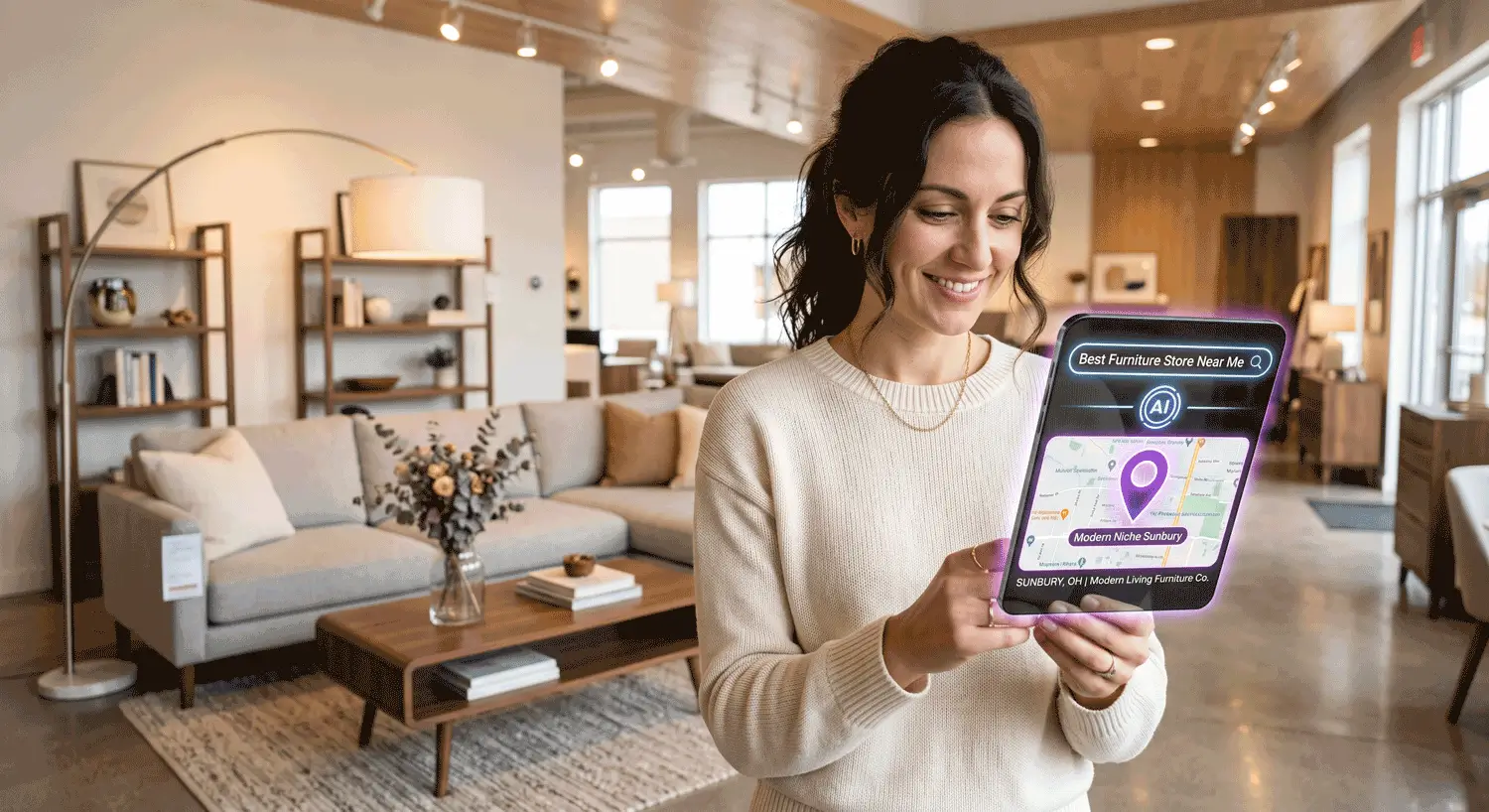
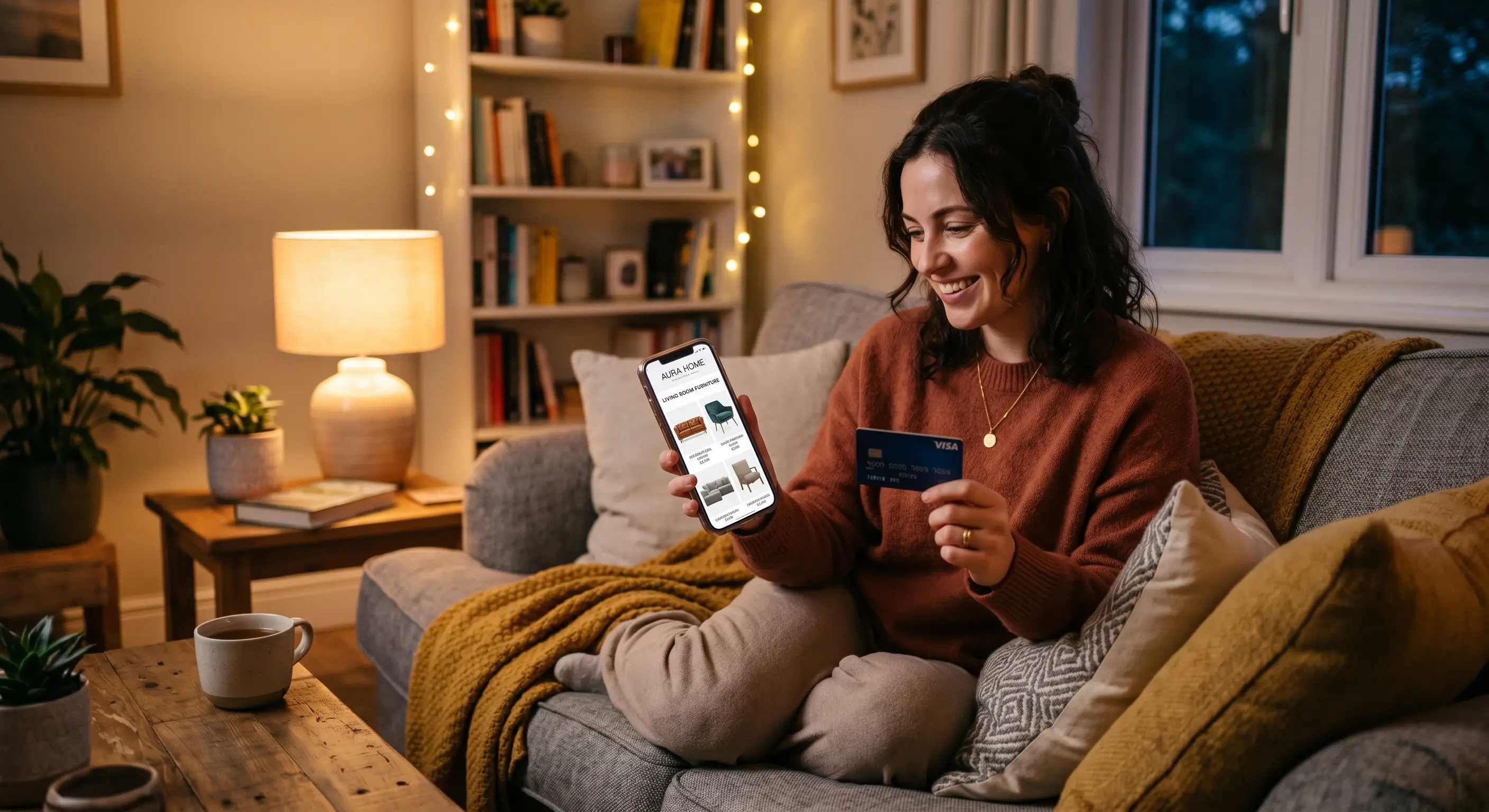
The reality is that while the final transaction might happen on your showroom floor, the decision of which showroom to visit was already made on a smartphone days or weeks earlier. If you are waiting for foot traffic to just wander in, you are losing. Today, your e-commerce strategy completely dictates your physical foot traffic. Here is why bridging the gap between your online and in-store experience is the only way to survive.
The Invisible Buying Journey
Many retailers still operate under the assumption that the customer journey begins when the front doors open and the bell rings. That is no longer true. When a customer walks into your store today, you are actually witnessing the final 10% of their buying journey.
Industry data consistently shows that over 80% of furniture and mattress shoppers begin their search online. Before they ever set foot in your store, they have spent weeks doing invisible research. They have:
- Checked your competitors’ prices.
- Read your Google reviews.
- Verified if the style they want is actually in stock.
- Looked for clear delivery timelines and return policies.
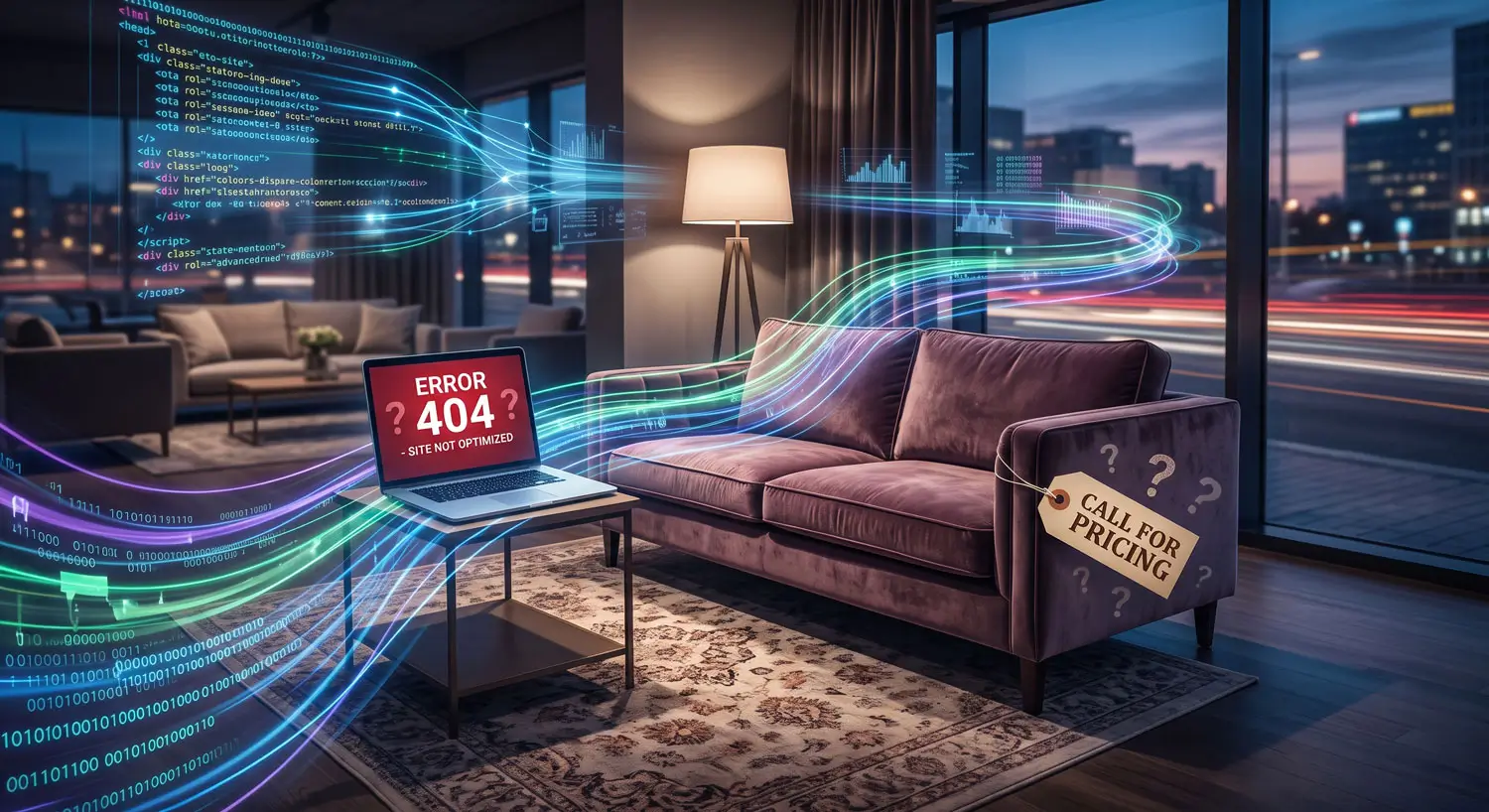
By the time a modern consumer crosses your threshold, they aren’t “just browsing.” They are there to validate a purchasing decision they have already made on your website. If your digital experience is frustrating, unpriced, or lacking detail, they will never make it to that final 10%. They will simply drive to the store whose website answered their questions.
The “Lead Generation” Trap
A common mistake independent retailers make is treating their website purely as a digital brochure or a basic lead-generation tool. They slap a “Contact Us” form on the homepage and call it a day.
Building a true e-commerce strategy isn’t just about convincing someone to enter their credit card information online. It is about providing an e-commerce experience.
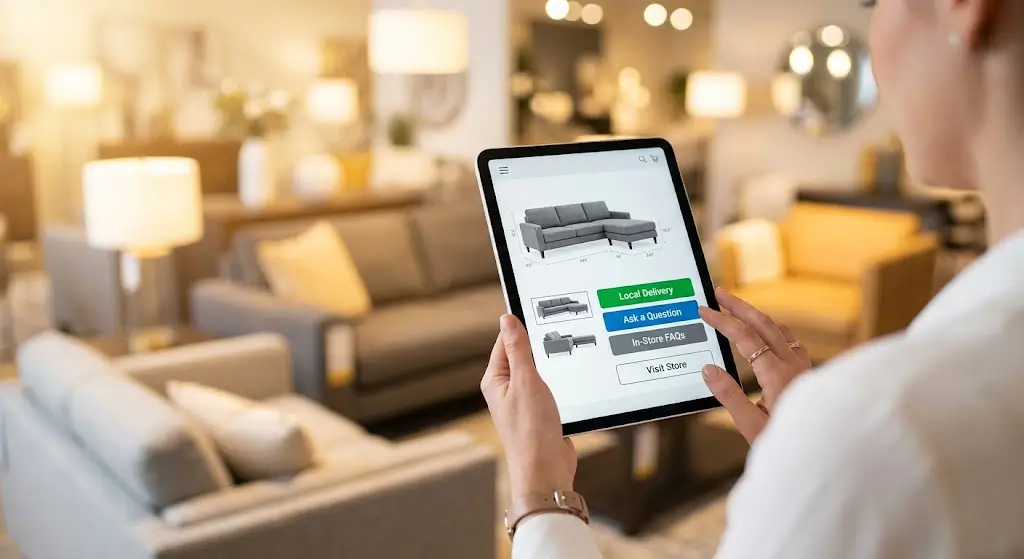
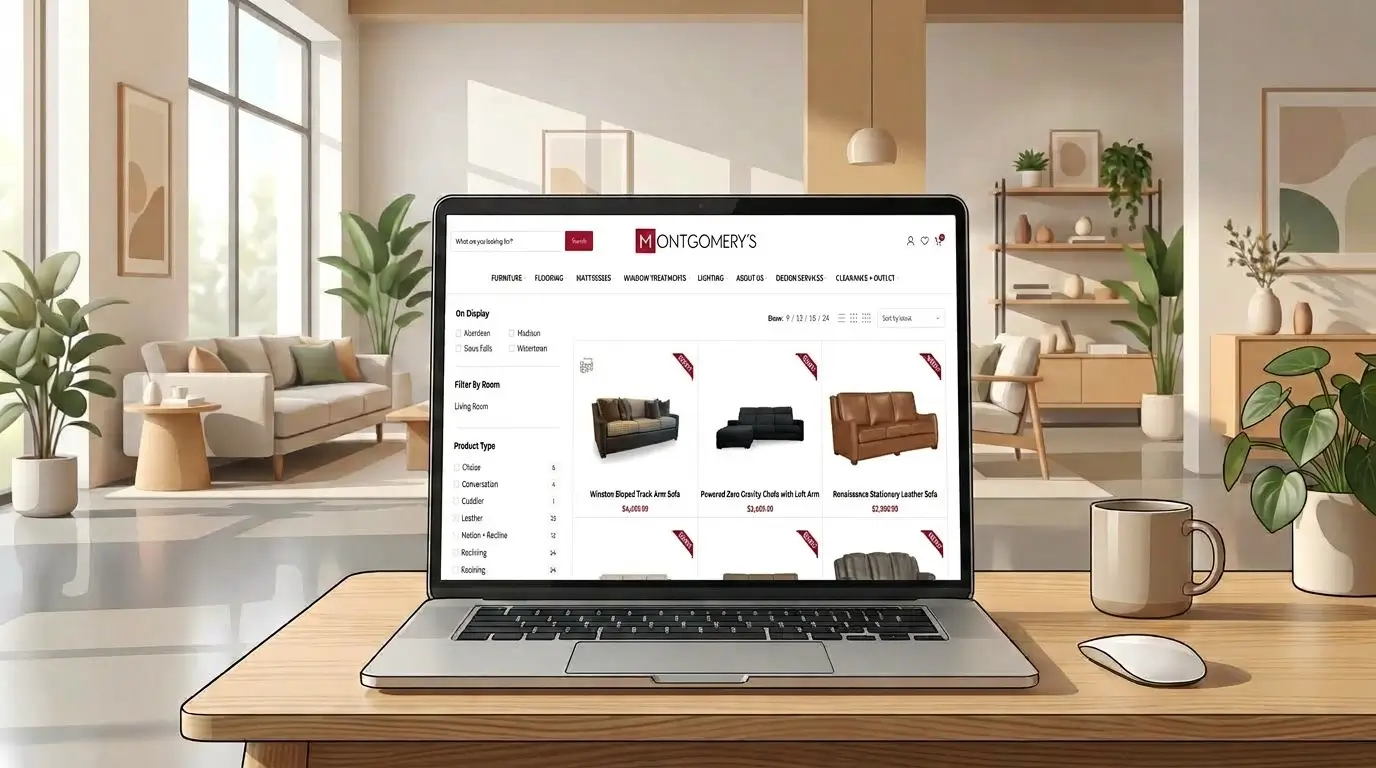
When a shopper visits Wayfair or Amazon, they expect to be able to save items to a wishlist, view high-resolution alternate angles, see real-time inventory, and add items to a cart to calculate taxes and delivery fees. When they come to your site, they expect that exact same frictionless functionality.
Even if your local customer fully intends to pay in person, they want the e-commerce tools to build their dream room online first. When you offer robust e-commerce capabilities—like saving a cart online and pulling it up on an iPad in-store with a sales rep—you bridge the gap seamlessly.
Connecting the Dots: Online-to-Offline Attribution
The most common pushback to investing in a better website is: “Most of my sales still ring up at the physical register, so how do I know the website is actually working?”
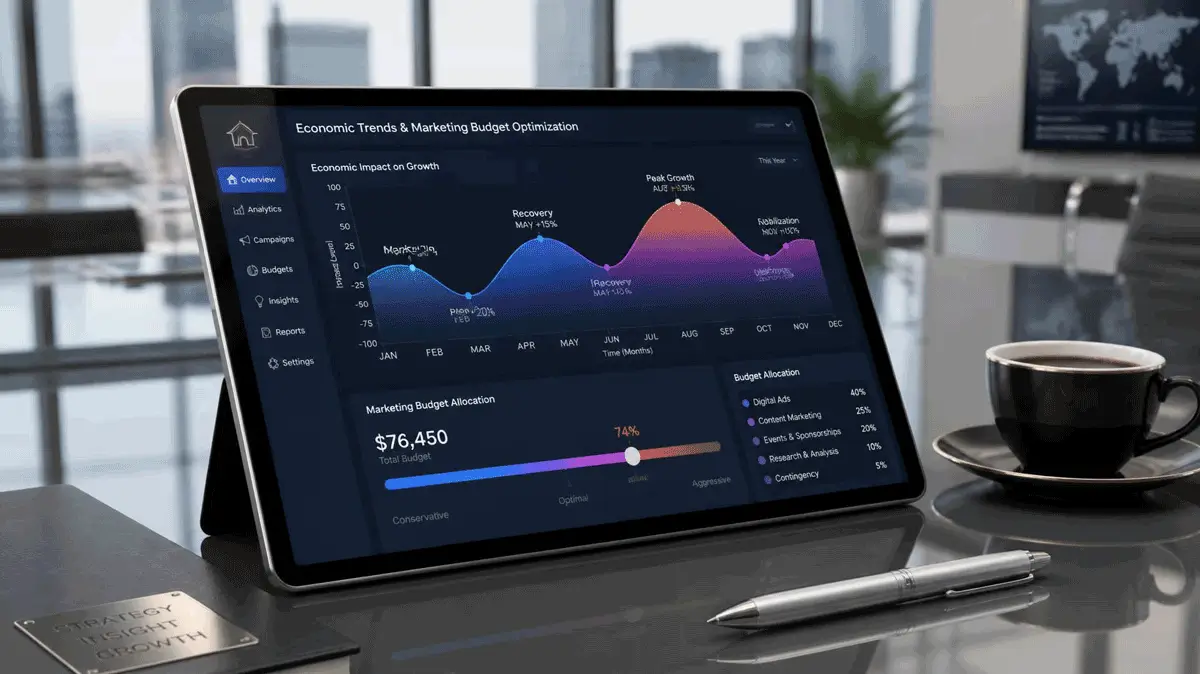
You must track online-to-offline attribution. You need to connect the digital clicks to the physical bricks. Here is how modern retailers are proving their website’s ROI:
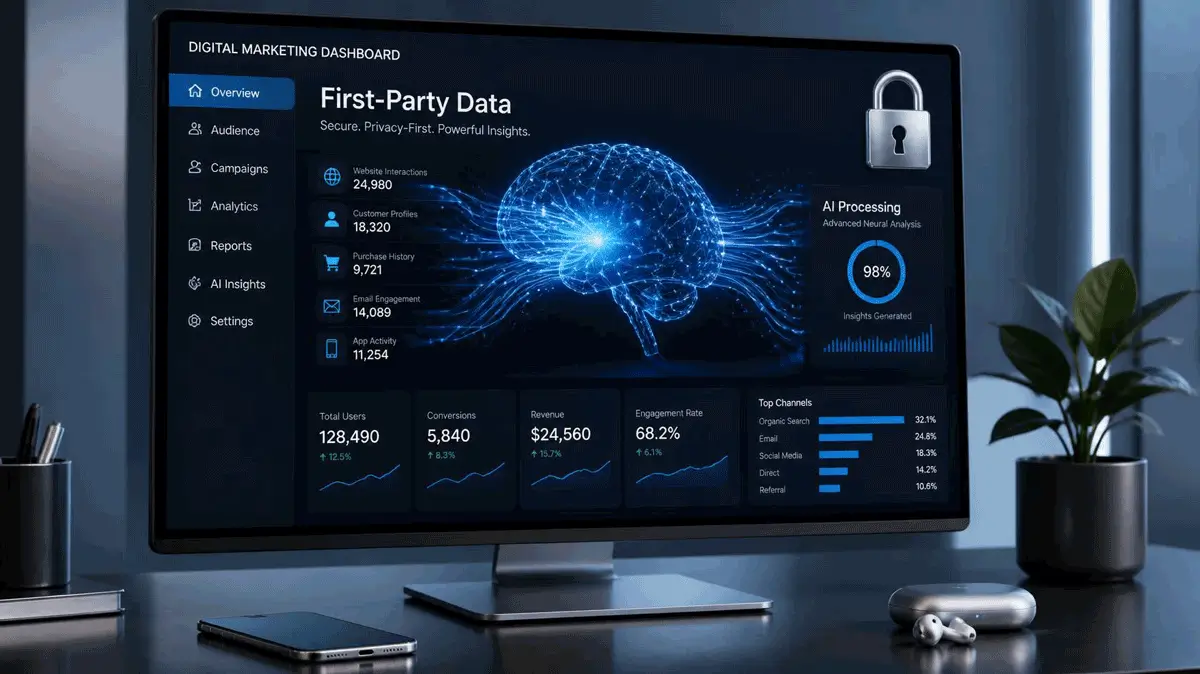
1 – POS & CRM Integration: Capture an email address online (through a welcome discount pop-up or a saved wishlist) and map it directly to your Point of Sale system. When that exact email address is used for a purchase at the physical register three days later, your system attributes that revenue directly to your website.
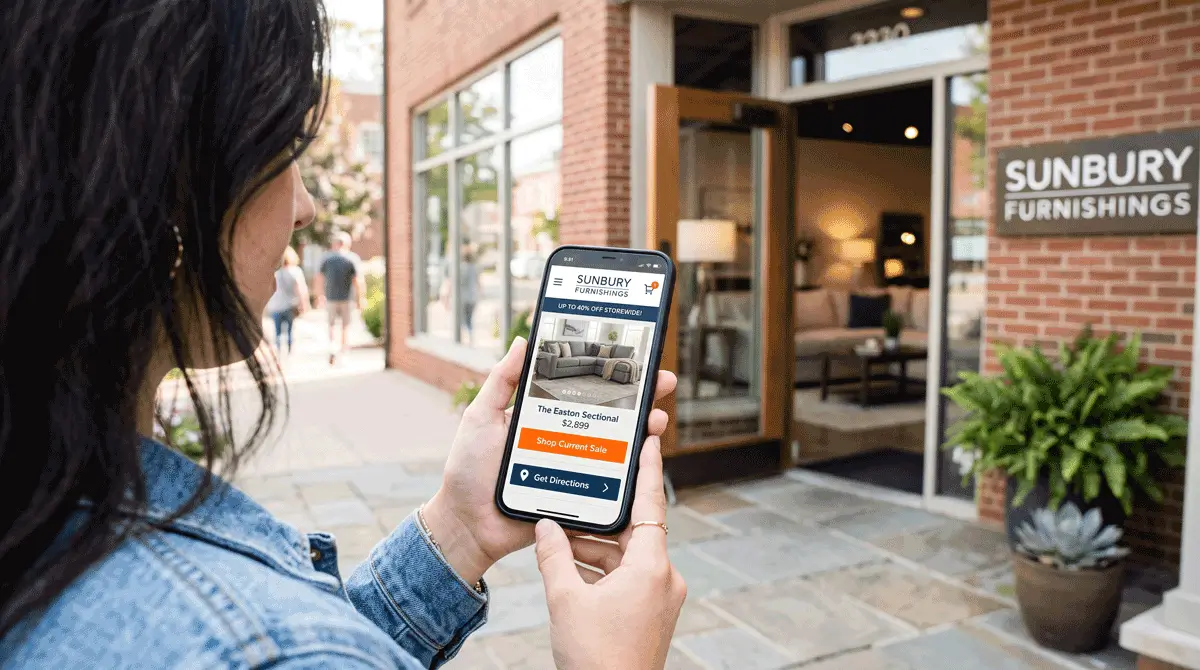
2 – Exclusive “In-Store Only” Digital Offers: Run targeted Facebook ads or website banners that offer a specific promotion (e.g., “Show this code at the register for Free White Glove Delivery”). This immediately tracks how many digital viewers walked through the door.
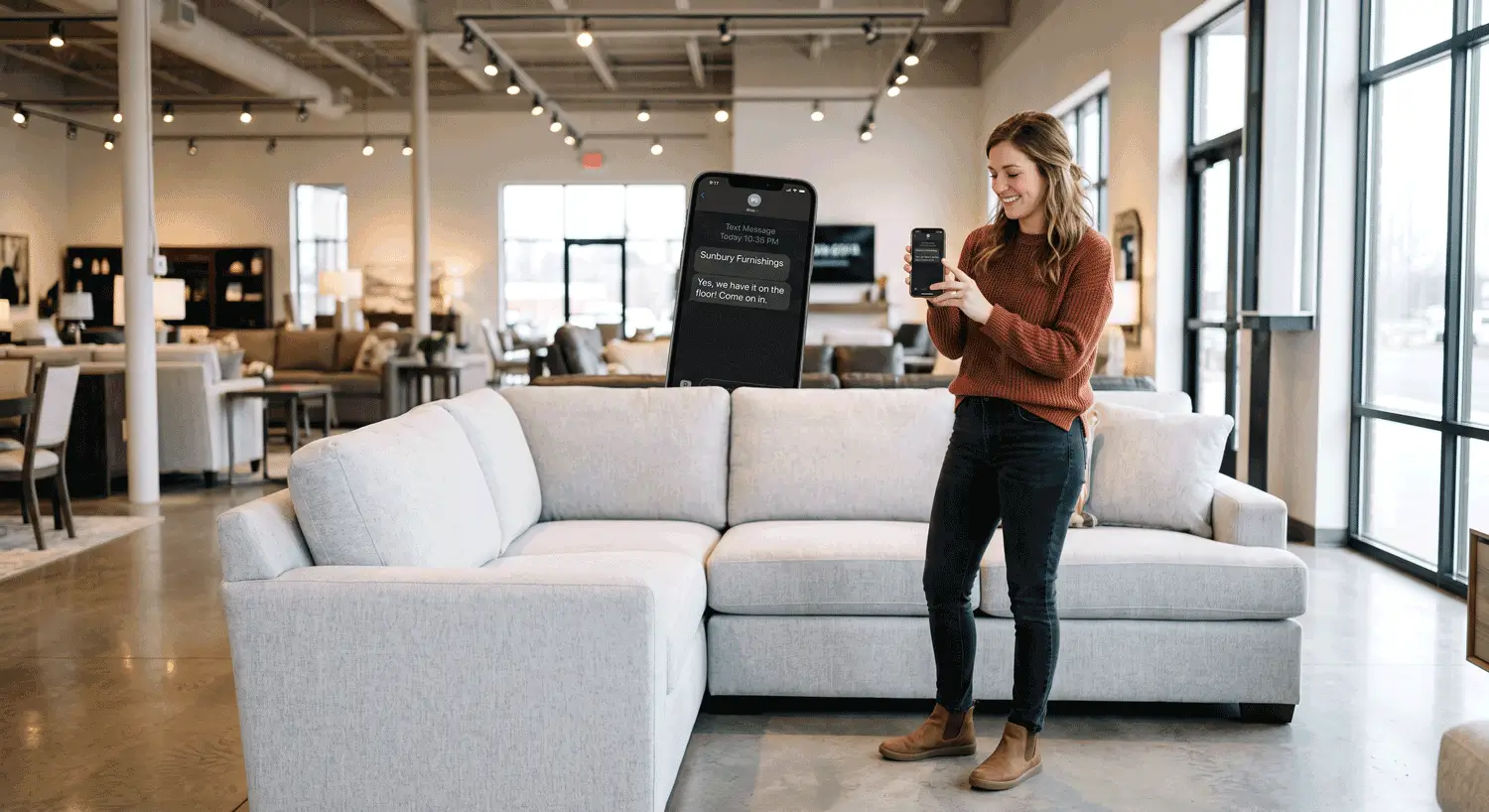
3 – Frictionless Direct Communication: Don’t make a customer jump through hoops, fill out a generic 10-field “Contact Us” form, and wait 48 hours for an email reply. Implement a simple “Text Us” widget or live chat directly on the product page. When a customer texts, “Do you have this exact sectional on the floor to test?”, your team can answer immediately and invite them in. You just tracked a digital engagement turning directly into a guaranteed showroom visit.
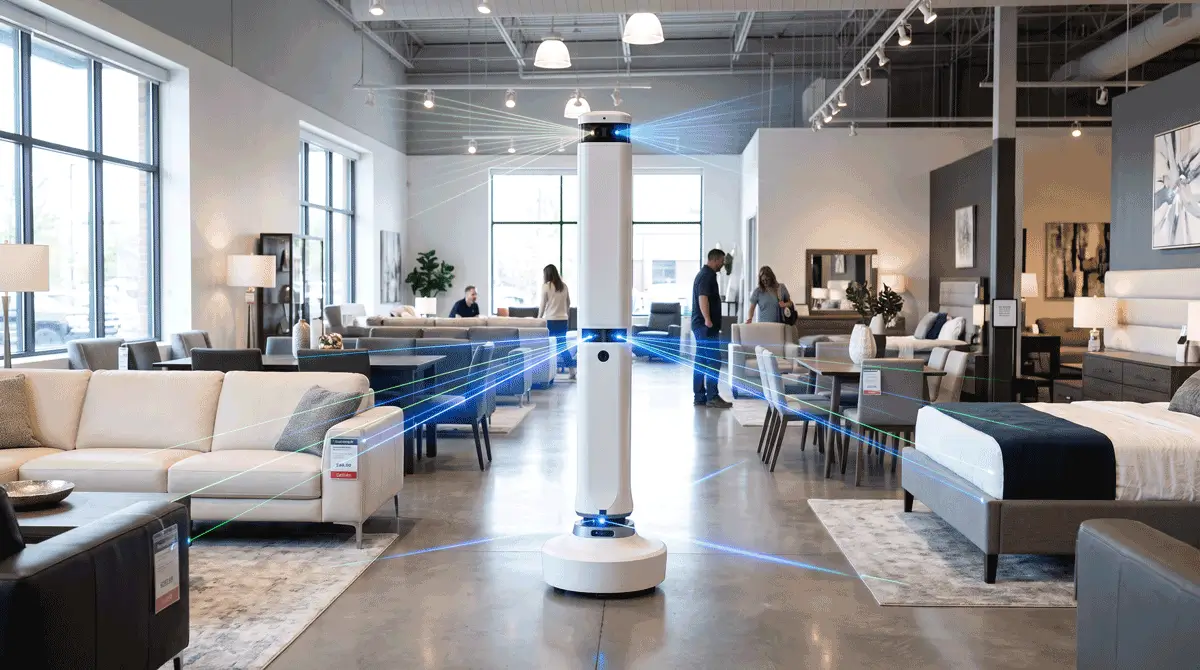
Your physical showroom and your digital website are not competing entities. They are two halves of the exact same sales funnel. The customer does not view your website and your store as separate businesses, and neither should you. Stop waiting for the “in-store only” customer to magically appear, and start building the digital experience that actually drives them to your door.
Since 1984, R&A Marketing has helped independent furniture, mattress, and appliance retailers seamlessly bridge the gap between digital strategy and physical foot traffic. If you need an e-commerce platform that actually drives showroom sales, we can help.