For decades, the golden rule of independent furniture retail was simple: Just get them in the door.
The logic made sense. If you could get a customer onto the showroom floor, your sales team could have them sit on the mattress, feel the fabric on the sectional, build the value of the piece, and close the deal. To protect that strategy, many retailers intentionally hid their prices online. The goal was to force the customer to call or visit the store to find out what things cost.
That strategy worked brilliantly in 1995. In today’s digital-first market, it is a death sentence.
Let’s rip off the band-aid: If your website is an unpriced digital catalog, you are actively driving your local customers into the arms of Wayfair, Amazon, and the big box stores.
Here is exactly why hiding your prices is suffocating your foot traffic, and what you need to do to fix it immediately.
The Psychology of the Hidden Price
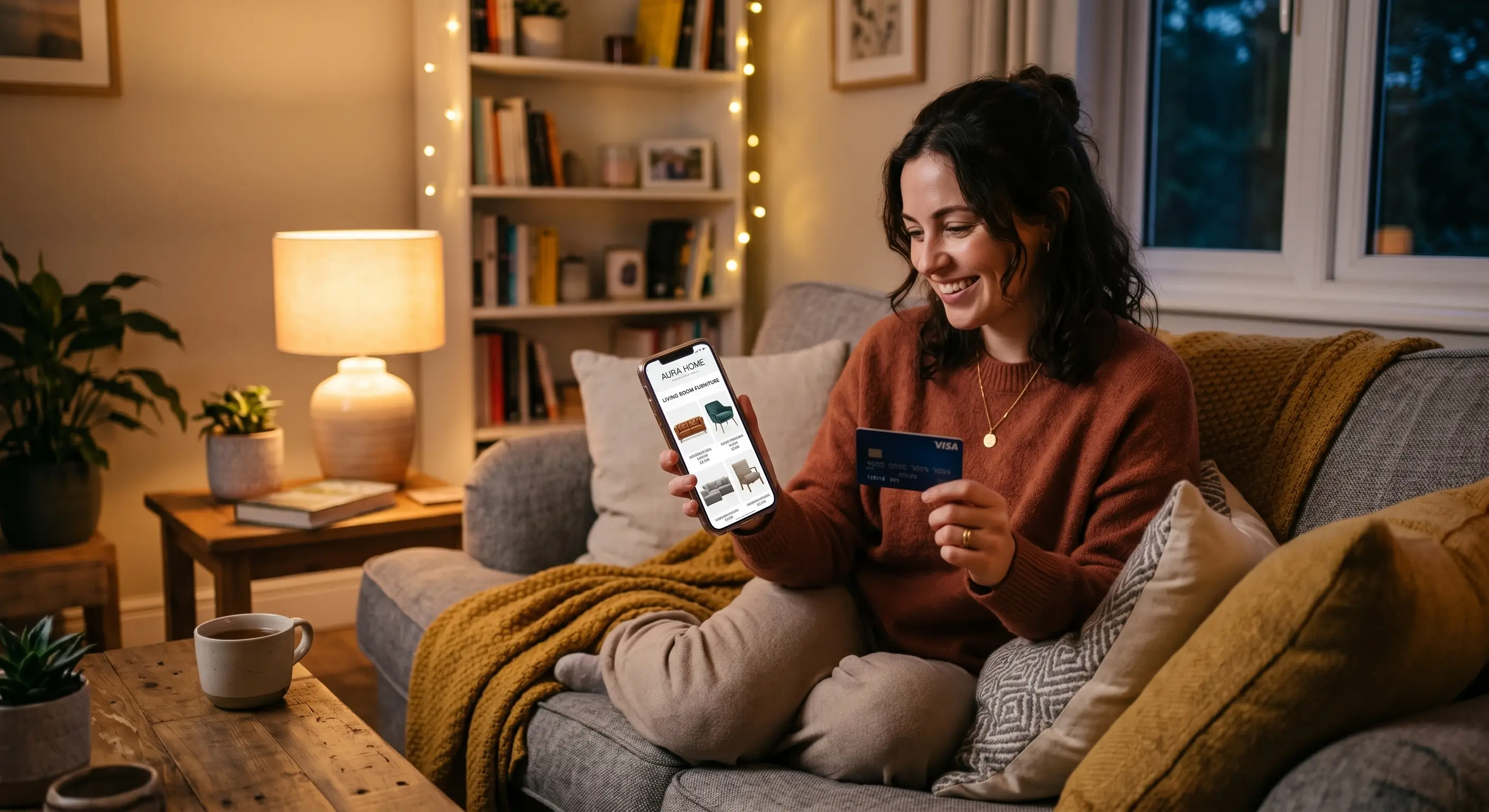
The modern consumer has been conditioned by e-commerce giants to expect instant information. When a shopper is lying in bed at 11:00 PM scrolling for a new dining set, they are doing their preliminary research. They are building a short list of stores to visit that weekend.
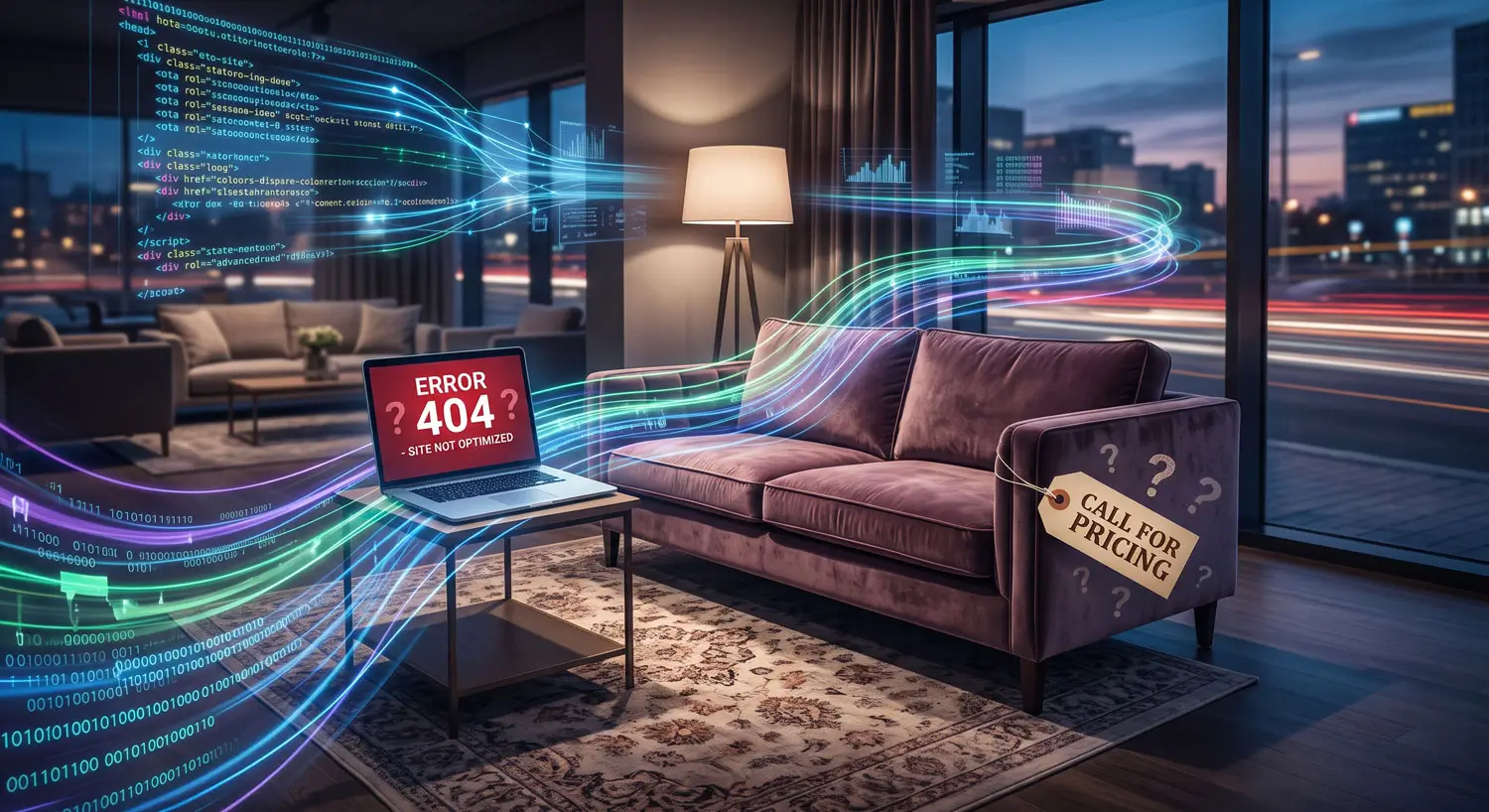
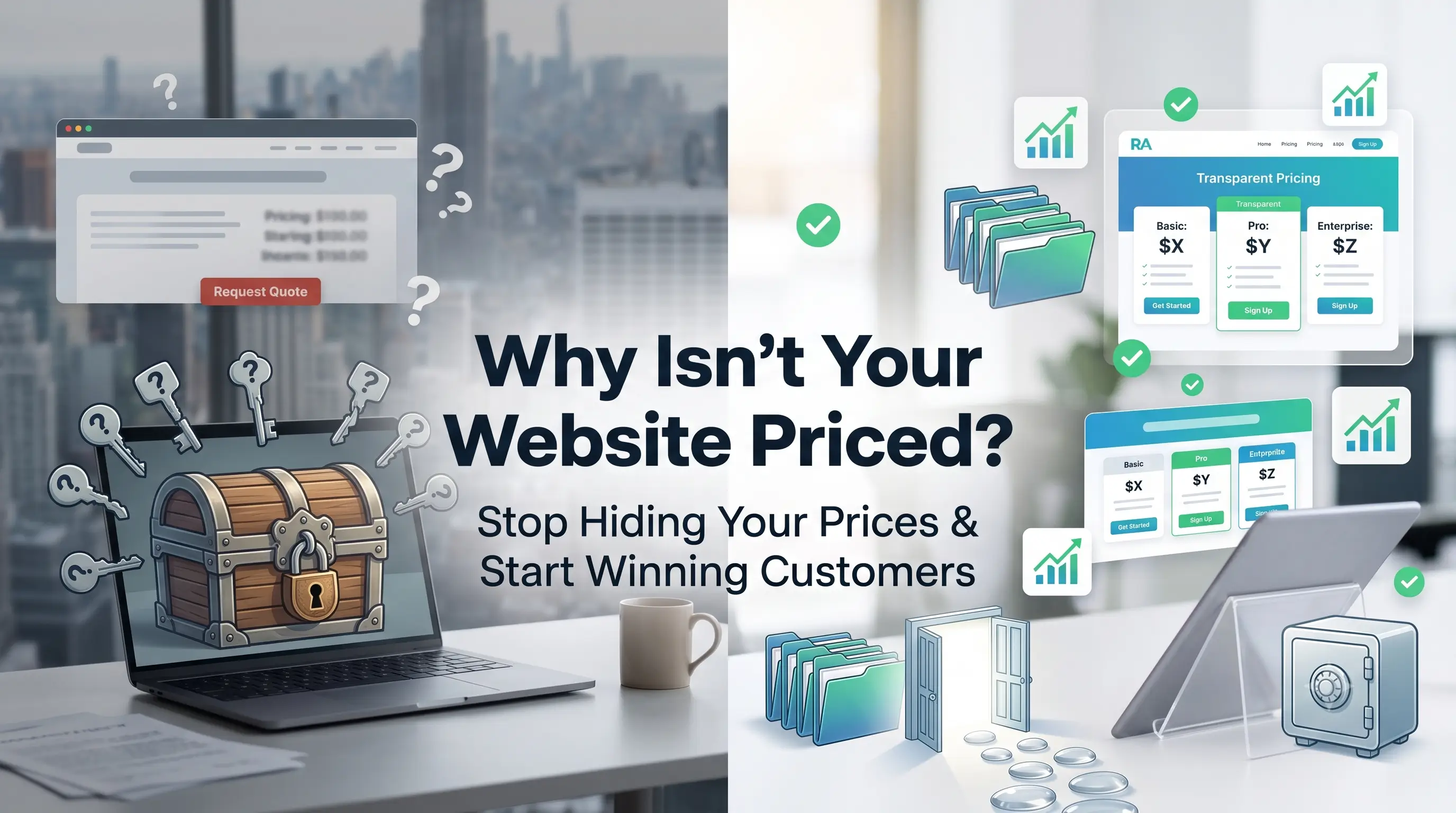
When they land on your website, find a set they love, and see a button that says “Call for Pricing” or a blank space where the dollar sign should be, they don’t pick up the phone. Instead, two dangerous psychological triggers happen instantly:
1 – “I can’t afford this.” When consumers don’t see a price, they immediately assume the item is outrageously expensive. You aren’t building a sense of exclusive mystery; you are creating sticker shock before they even know the sticker price.
2 – “They are hiding something.” Today’s shoppers equate transparency with trust. If you won’t tell them the price online, they assume you are going to use high-pressure sales tactics the second they walk through your doors.
They don’t want to play games. They want to know if the sofa fits their budget. When you refuse to tell them, they simply click the “back” button and buy from the national retailer who will.
The “But…” Excuses (And Why You Need to Drop Them)
Whenever we audit a furniture retailer’s website and tell them they need to list their prices, we hear the same three excuses. It’s time to retire them.
Excuse 1: “My competitors will see my prices and undercut me.”
If your entire business model relies on beating the store down the street by $15 on a sofa, your business is already on life support. You cannot win a race to the bottom against national chains. You win on local reputation, customer service, white-glove delivery, and trust. Trust starts with transparent pricing.
Excuse 2: “Most of my upholstery is custom. I can’t price a million fabric combinations.”
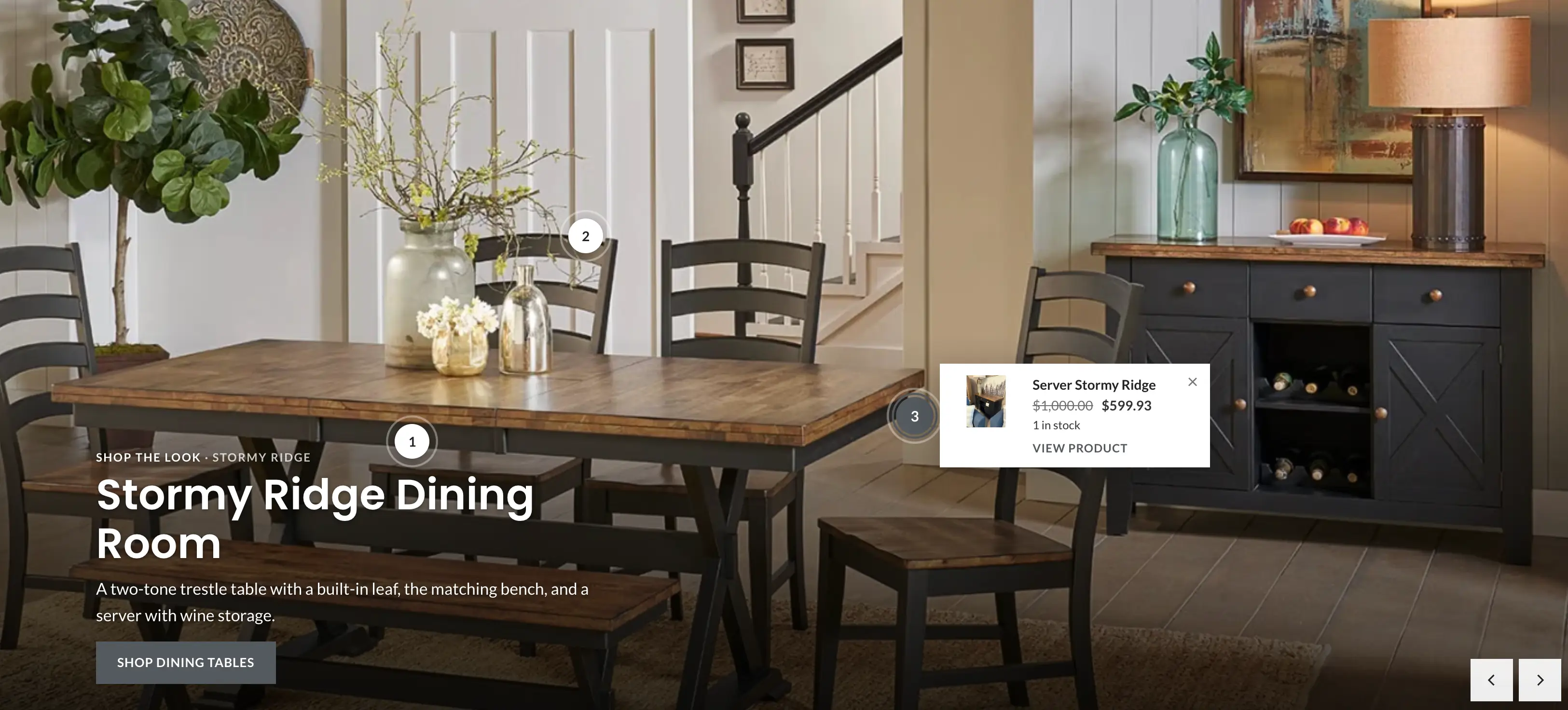
You don’t have to. The modern consumer understands how custom options work. All you need to do is use “Starting At” pricing. List the price of the base model in the entry-level fabric. This gives the shopper a realistic anchor point for their budget. When they come into the store to choose a premium fabric, your sales team can step in and upsell the value.
Excuse 3: “My vendors have strict MAP (Minimum Advertised Price) policies.”
So price it at MAP. If you are afraid that MAP makes you look too expensive online, remember this: showing a higher price is still mathematically proven to convert better than showing no price at all. You can always run authorized promotions, offer in-store only discounts once they arrive, or bundle the purchase with free premium delivery to add value.
The Clicks-to-Bricks Reality
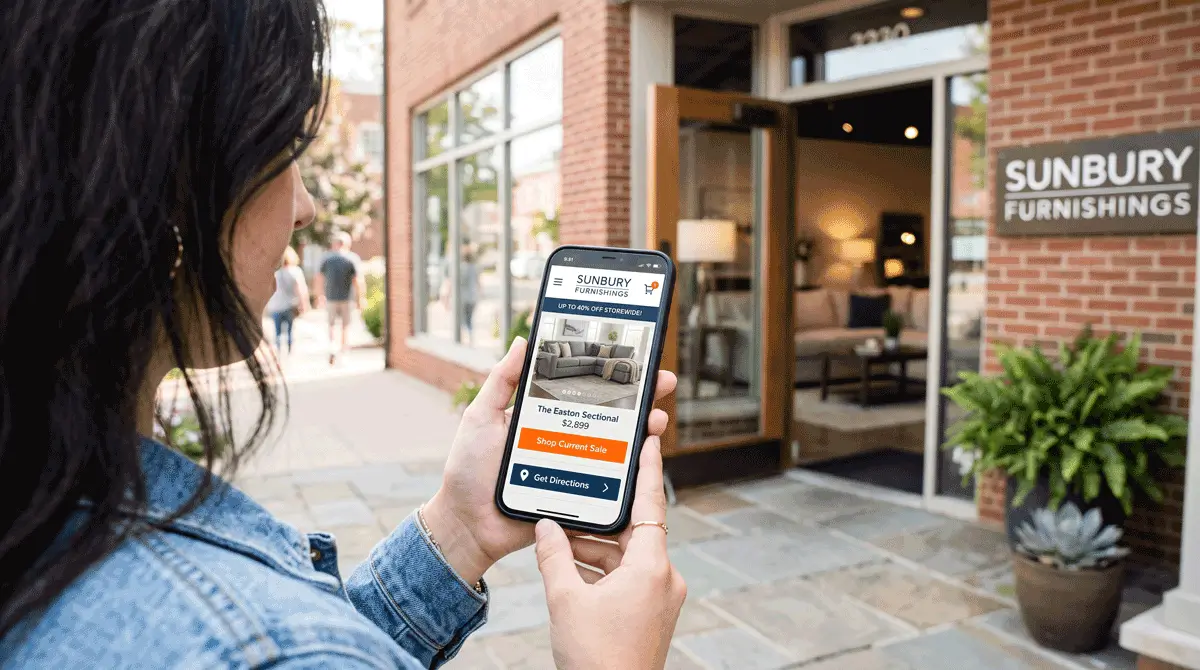
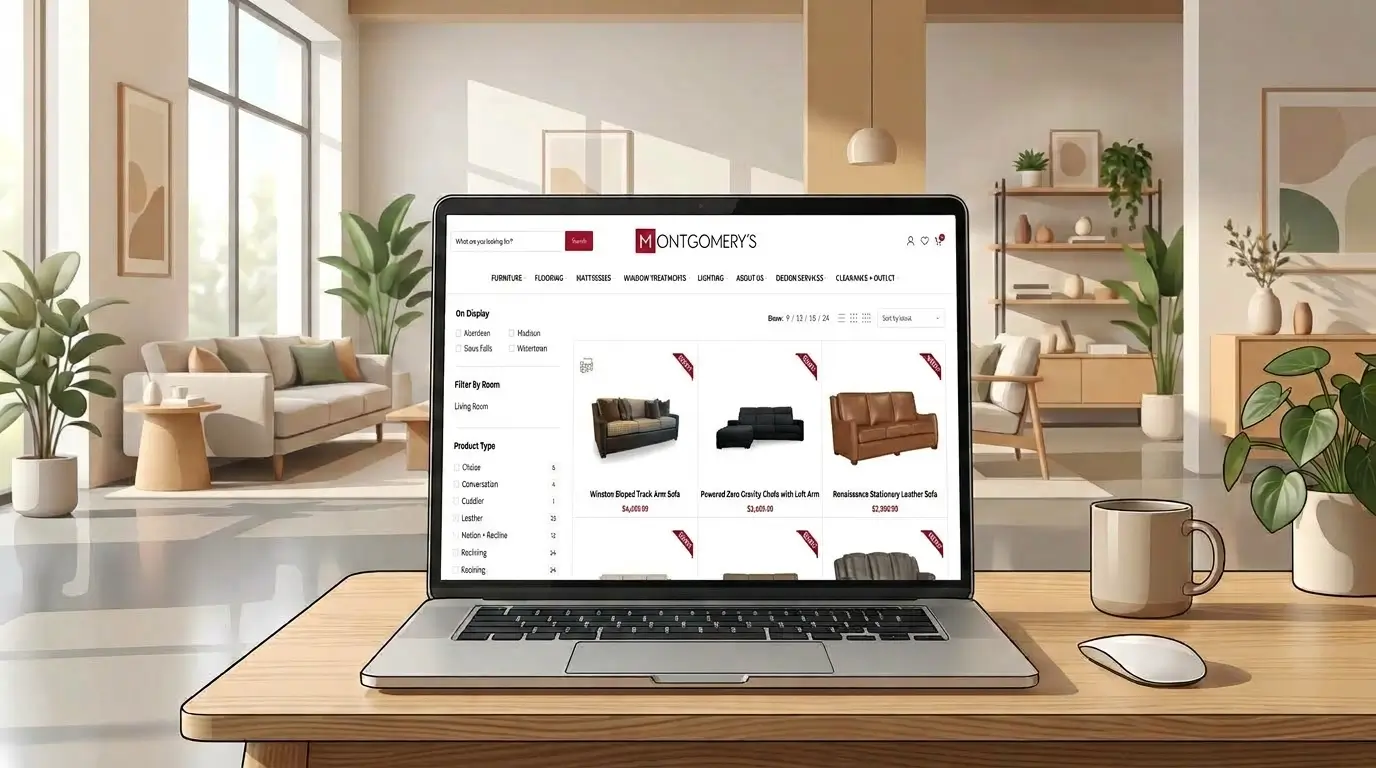
The line between “e-commerce” and “brick-and-mortar” is gone. Your website is no longer just a digital business card; it is your new front door.
Over 80% of furniture shoppers start their buying journey online, but the vast majority still want to finish that journey in a physical store. They want the clicks-to-bricks experience. But to get them to the bricks, you have to win the clicks.
Your website’s primary job is to remove friction and build enough trust that the customer feels confident getting off their couch and driving to your showroom. Hiding your prices is the ultimate point of friction.
The Bottom Line
Independent retailers thrive by offering a better, more human shopping experience than the faceless e-commerce giants. But you can’t show off that incredible in-store experience if your website is scaring everyone away.
Stop treating your prices like state secrets. Price your website, clean up your product data, and watch what happens to your showroom foot traffic.
Since 1984, R&A Marketing has helped independent furniture, mattress, and appliance retailers thrive in an ever-changing landscape. If your website is holding your business back, we can help you fix it.