If there is one conversation dominating the independent retail space right now, it’s how to bridge the gap between complex inventory systems and modern consumer expectations.
Today’s shoppers are trained by AI-driven search engines and retail giants to expect instant answers. Yet, many independent retailers find themselves stuck on two major digital hurdles: the hesitation to display pricing online, and the overwhelming burden of managing massive product catalogs.
If your website isn’t converting the way it should, it might be because it feels more like a chaotic digital warehouse than a curated showroom. Here is how modern retailers are regaining control over their pricing and product strategies.
The Pricing Dilemma: Why Hiding Your Prices is Costing You Sales
A lot of retailers are still nervous about showing pricing on their websites. This hesitation is understandable. You might be worried about competitors undercutting you, navigating complex Minimum Advertised Price (MAP) policies, or simply figuring out how to keep online prices synced with in-store fluctuations.
However, consumer psychology has shifted. In today’s digital landscape, transparency is trust. If a customer lands on a product page and cannot find a price, they rarely pick up the phone to ask—they simply click away to a competitor who provides the information upfront.
The issue usually isn’t a lack of desire to show pricing; it’s an uncertainty about how to manage it effectively. Manual updates are impossible at scale, and out-of-date pricing is worse than no pricing at all.
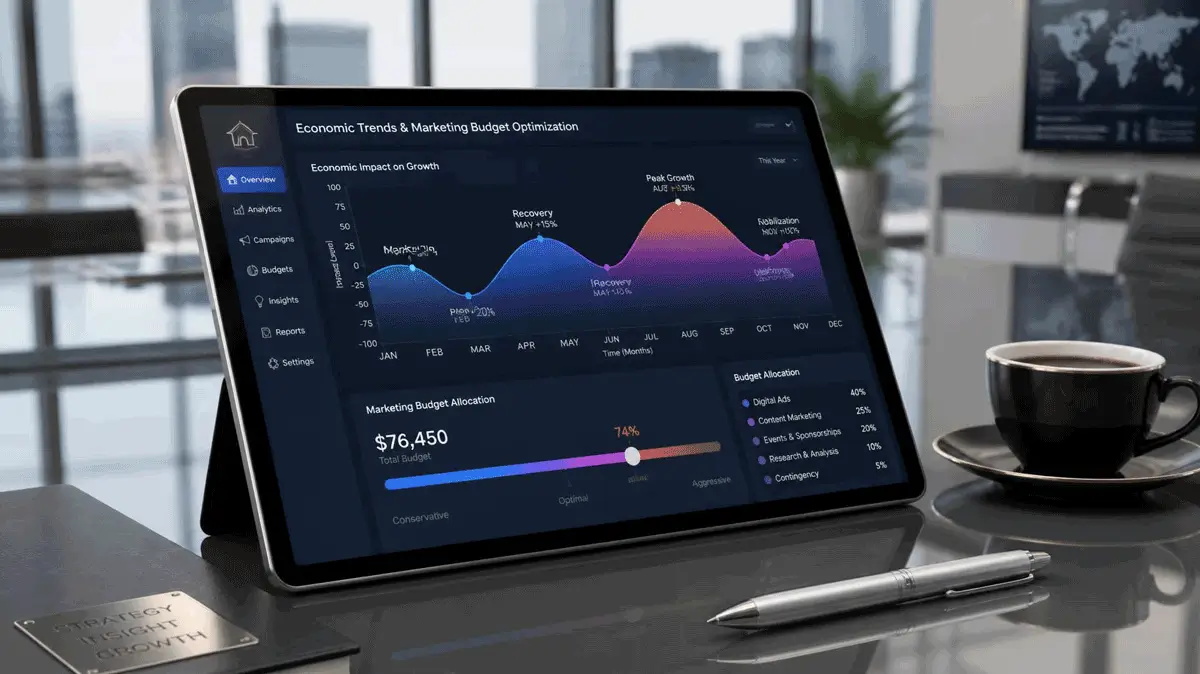
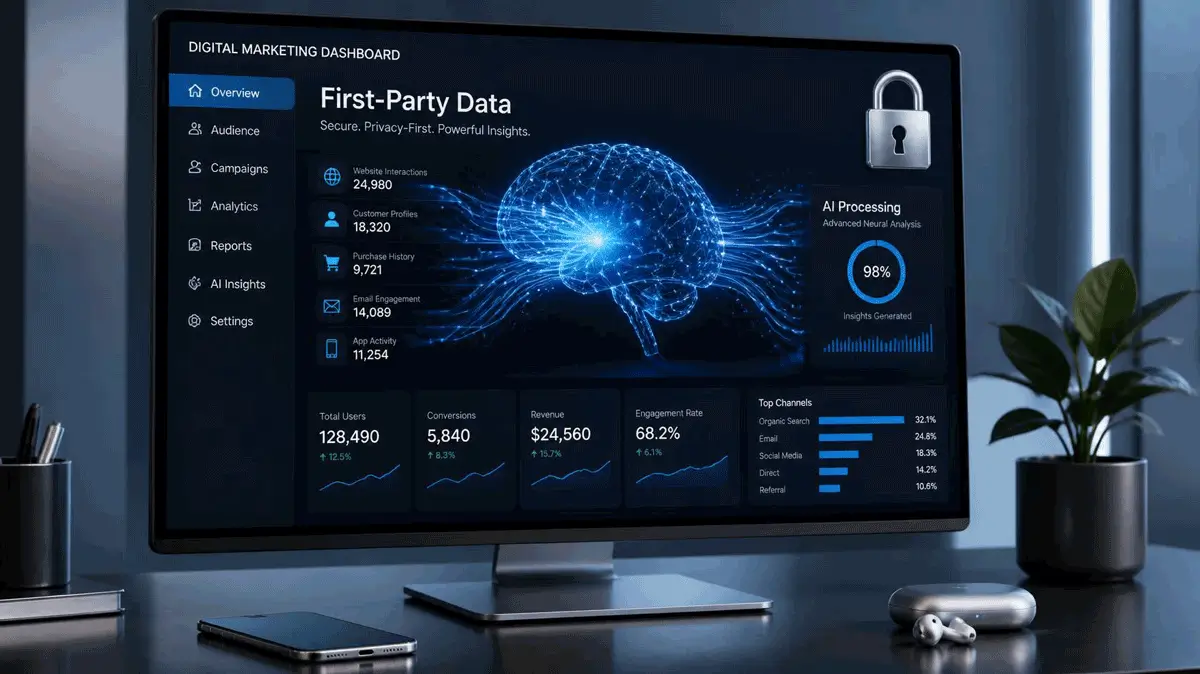
The solution lies in your technology stack. By connecting your website directly to your back-office systems, you can automate price updates in real time. Robust ERP integrations take the fear and manual labor out of the equation, ensuring that what the customer sees online is always accurate, compliant, and profitable.
The Evolution of the “Endless Aisle”
Once you solve the pricing equation, you still have to figure out what, exactly, you are pricing.
For years, the “Endless Aisle” was sold to independent retailers as the ultimate e-commerce holy grail. The pitch was incredibly enticing: “Put all 50,000 SKUs from your suppliers on your website! You’ll guarantee that every customer finds exactly what they want!”
The reality? It created a paralyzing paradox of choice.
Having massive, uncurated catalogs without a clear structure doesn’t increase conversions; it overwhelms the buyer. When a customer searches for a sofa or a power tool and is hit with 8,000 identical-looking options with vague manufacturer descriptions, decision fatigue sets in immediately.
Does this mean the endless aisle is dead? Not at all. It still has a very valid place in today’s e-commerce strategy, but the wild west days of unmanaged data drops are over. The endless aisle needs to be controlled, managed, and most importantly, the customer needs to be guided.
AI Search & Smart Filtering: Guiding the Customer Journey
Large catalogs only work if you have the digital infrastructure to support them. You can offer 50,000 SKUs, but you must curate the path the shopper takes to find them.
In an AI-search-driven world, your website needs to do the heavy lifting for the consumer. This means implementing:
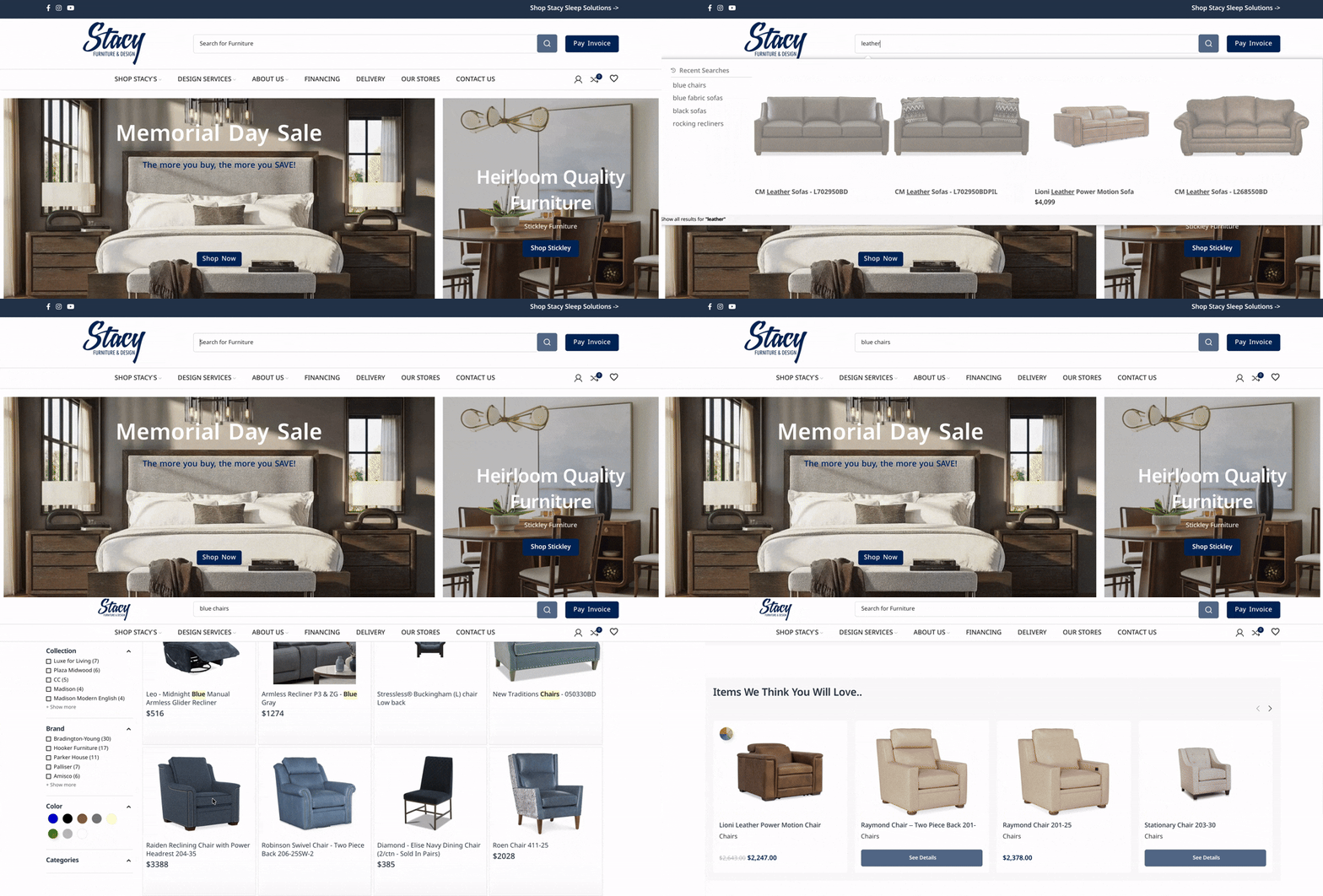
Intelligent Search: Search bars that understand natural language, typos, and synonyms so customers find the right category immediately.
Smart Filtering (Faceted Search): Allowing customers to instantly narrow down thousands of products by price, brand, color, dimensions, or in-stock availability.
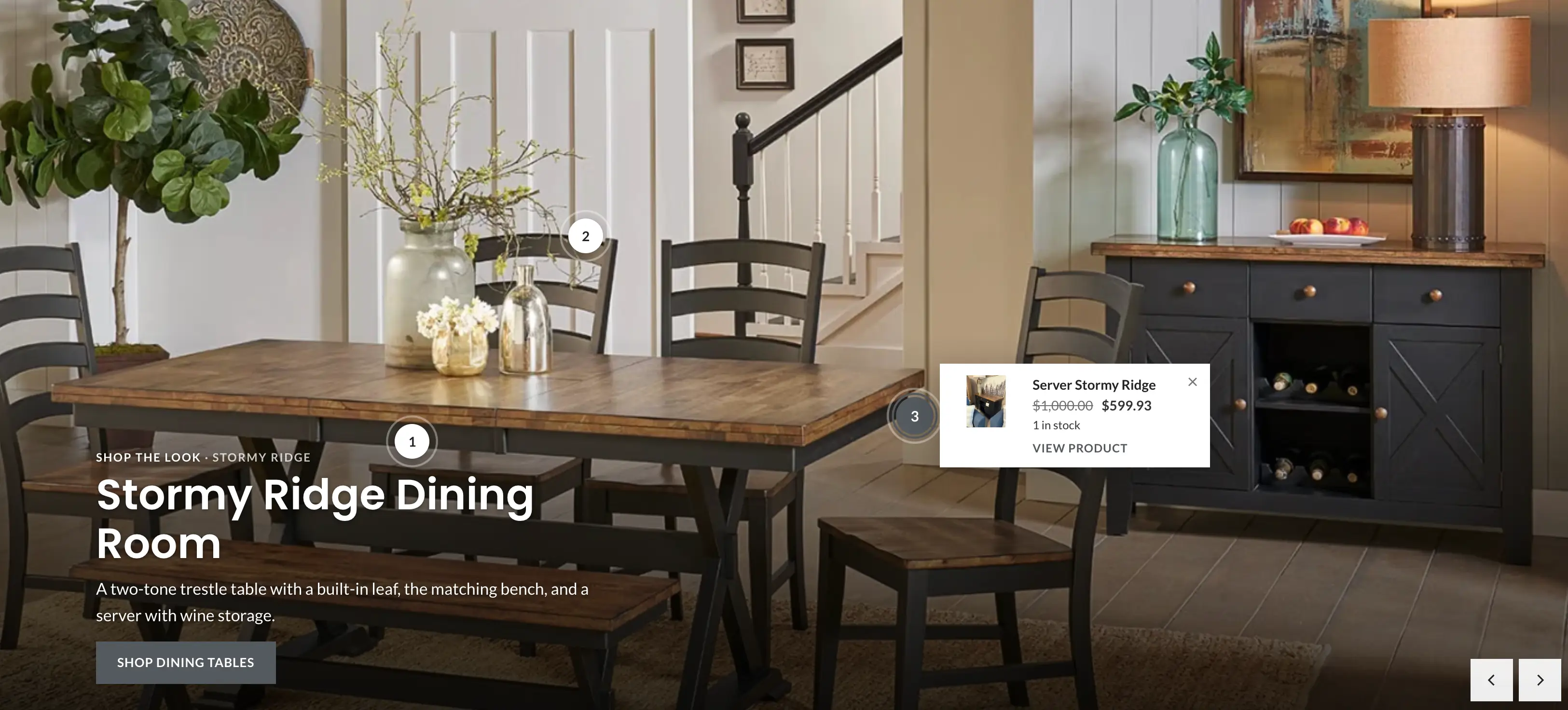
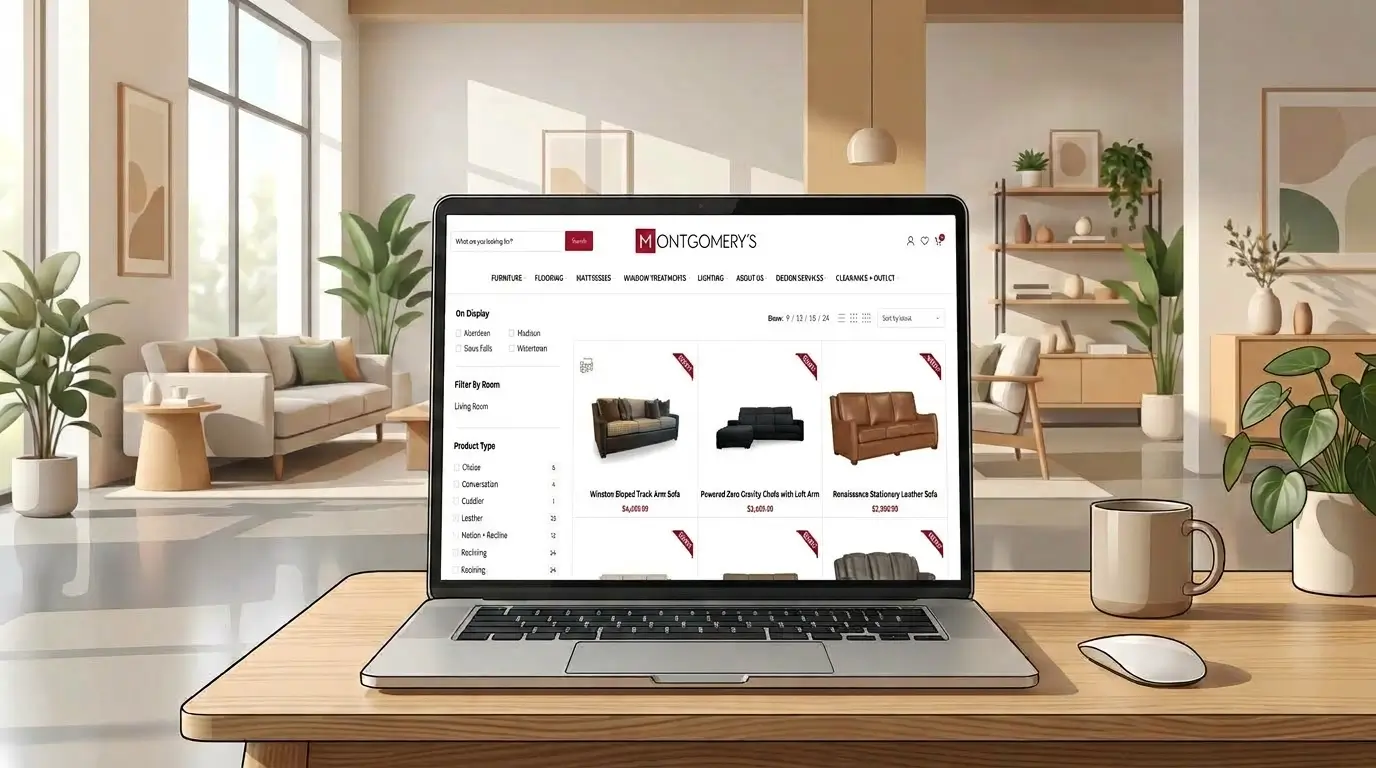
Curated Landing Pages: Grouping products by lifestyle, room, or project type rather than just dumping them into massive, generic categories.
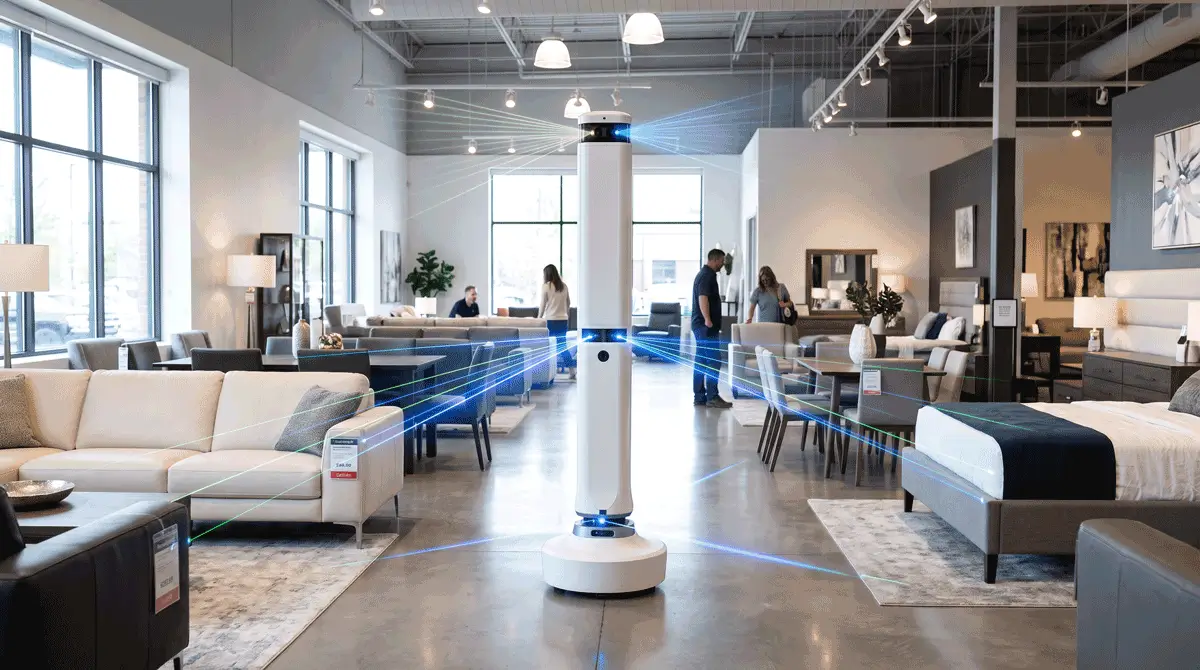
Your goal is to recreate the in-store experience online. When a customer walks into your physical store, a sales associate doesn’t point them to a warehouse of 50,000 items and walk away. They ask questions, filter down the options, and guide them to the perfect product. Your website must do the exact same thing.
Taming the Catalog
You don’t have to sacrifice the vast selection of the endless aisle, nor do you have to hide your pricing out of fear of inventory management. But you do need the right foundation to make it work.
At R&A Marketing, we help independent retailers turn overwhelming digital warehouses into high-converting, curated showrooms. By leveraging smart search technologies and seamless ERP integrations, we ensure your website works just as hard as your best salesperson.