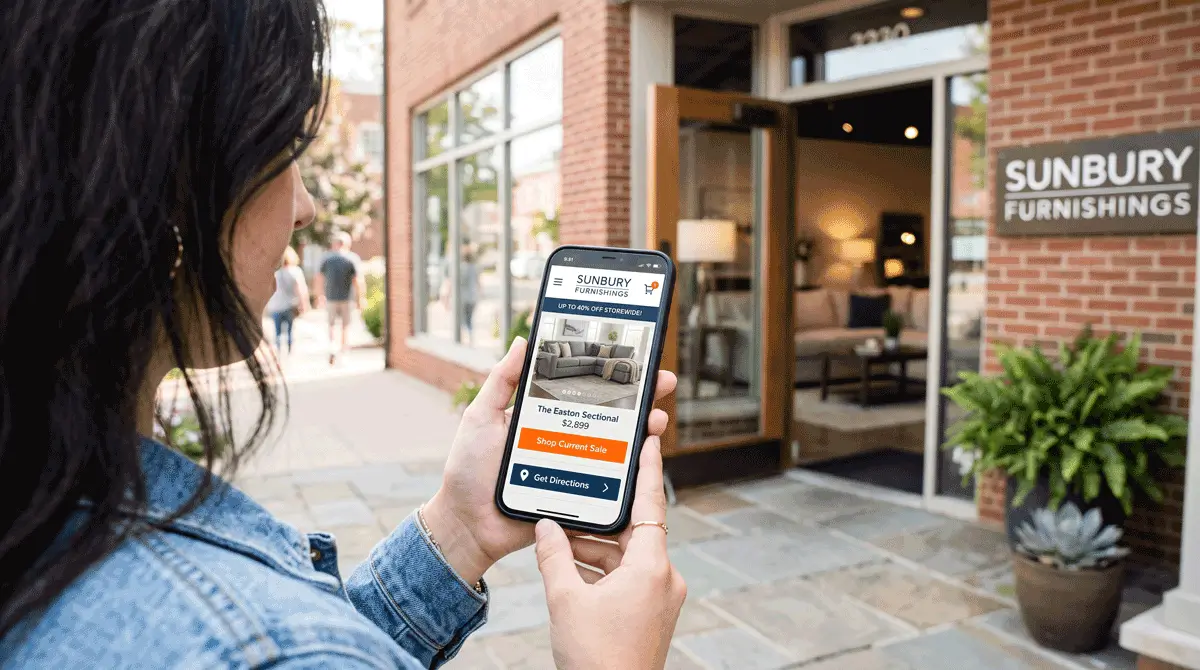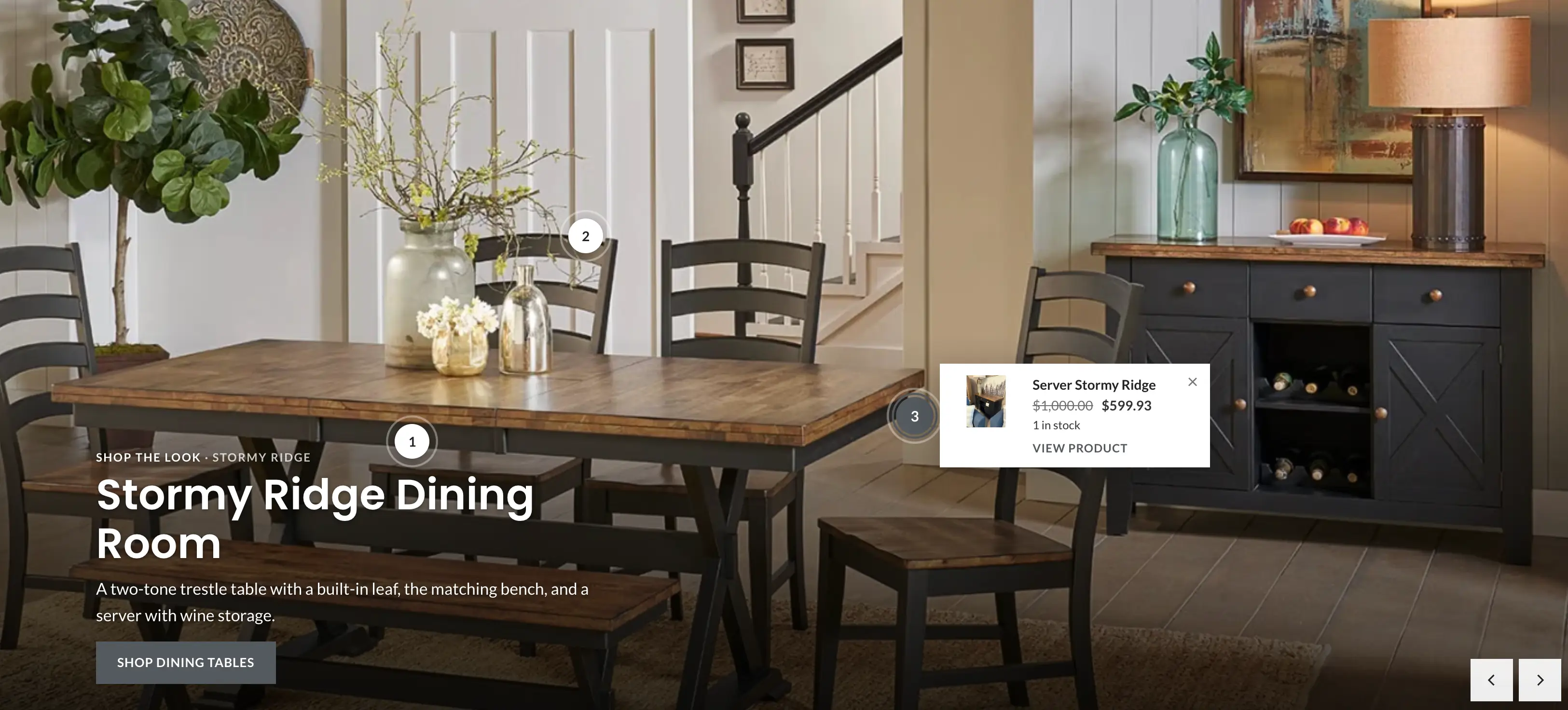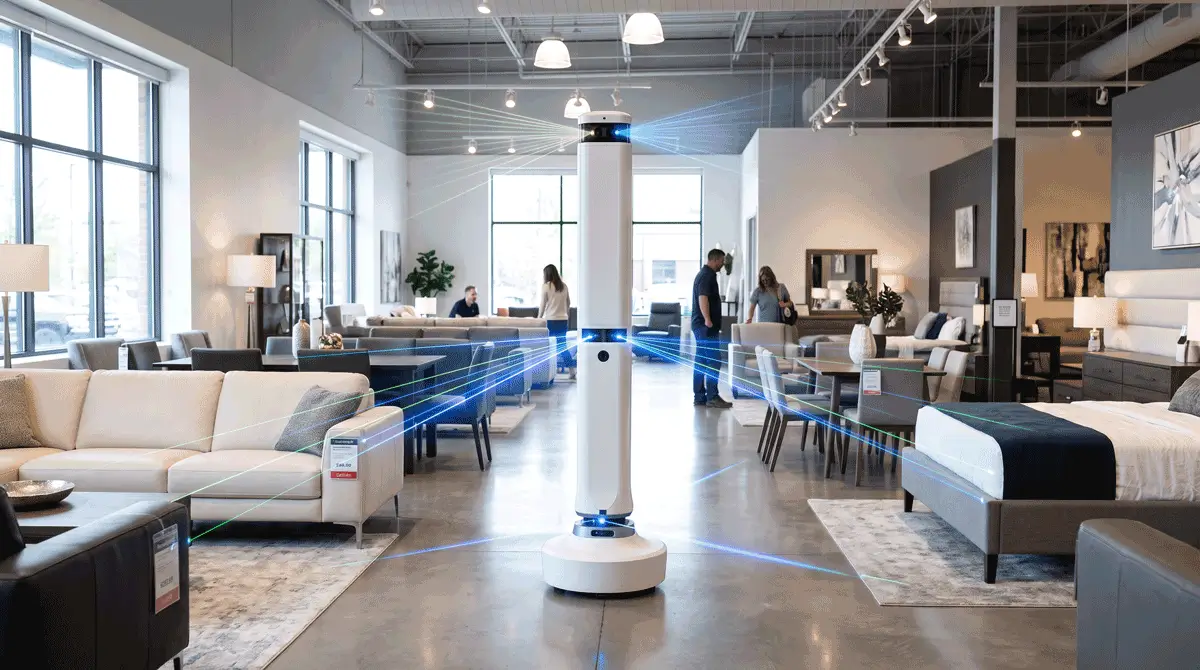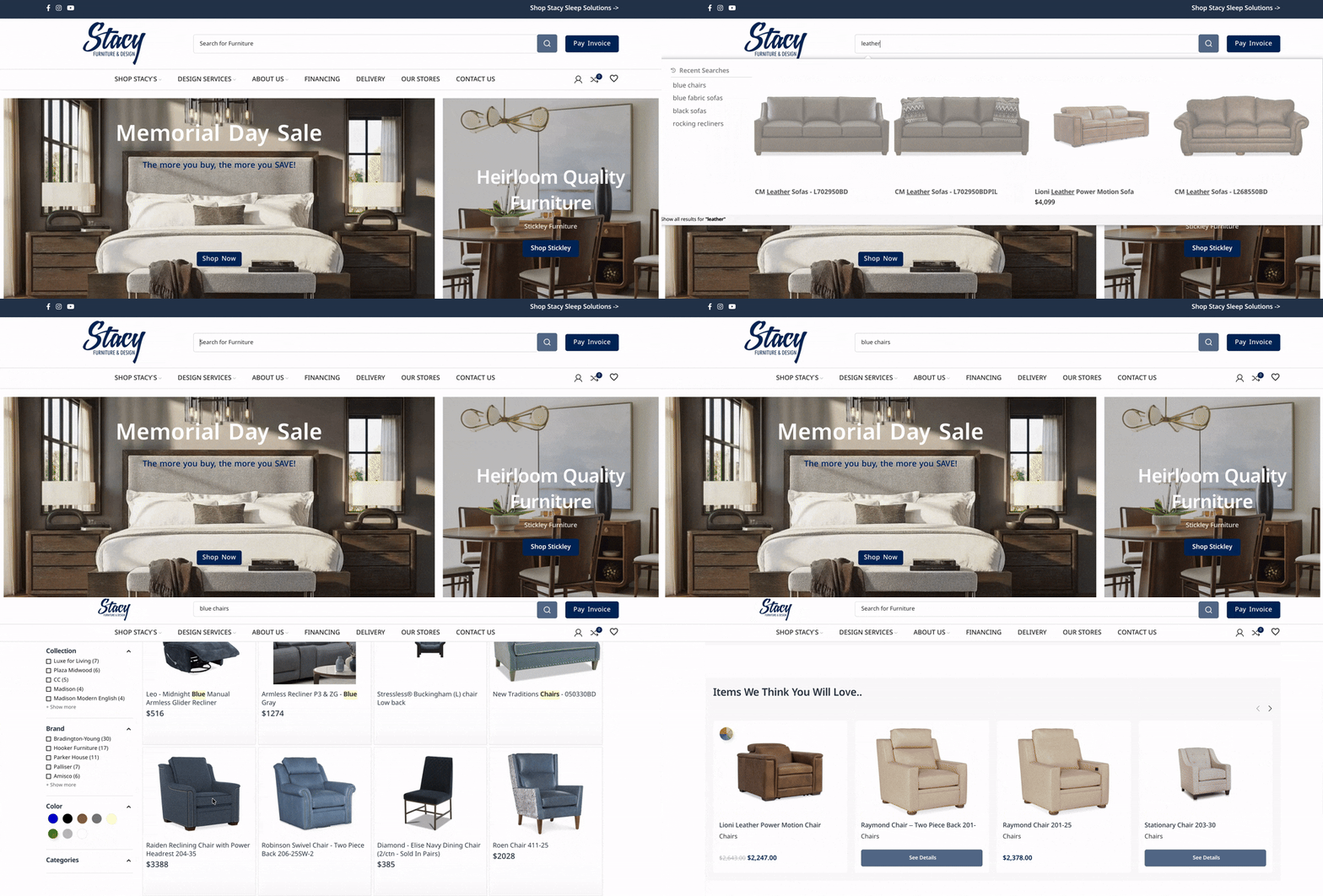
Furniture retailers can use AI agents to answer customer questions, guide product choices, manage leads, and support post-purchase service in real time. These tools reduce response delays, improve consistency, and help staff focus on the in-store experience. For retailers, this means stronger engagement and more qualified buyers moving through the sales process.
What Are AI Agents and How Do They Work in Furniture Retail?
AI agents are software tools that can understand questions, respond with useful answers, and complete simple tasks without human input. In furniture retail, they connect with websites, chat tools, and CRM systems to assist shoppers at every stage.
They work by pulling from product catalogs, FAQs, and past customer interactions. When a shopper asks about sofa sizes or delivery timelines, the agent gives a clear answer instantly. Over time, the system improves its responses based on real conversations, making it more accurate with each interaction.
For furniture retailers in competitive markets, including regional hubs similar to Columbus, this creates a more responsive and reliable customer experience without increasing staffing costs.
How Do AI Agents Improve First Customer Contact?
AI agents respond to customer inquiries within seconds, removing the common delay that leads to lost interest. Fast replies build trust and keep shoppers engaged during their decision-making process.
Many furniture buyers browse outside store hours. AI agents stay active 24/7, answering questions about pricing, availability, materials, and customization options. This is especially useful for retailers serving both local customers and online shoppers across wider regions.
Another key benefit is consistency. Every customer receives accurate and structured information, which reduces confusion and sets clear expectations before they visit the store or make a purchase.
Can AI Agents Help Customers Choose the Right Furniture?
Yes. AI agents guide customers through product selection by asking simple questions about room size, style preference, and budget. Based on the answers, they suggest suitable items from the catalog.
This approach works well for furniture retailers because buying decisions often involve multiple factors. A shopper may not know whether a sectional or a standard sofa fits their space. The AI agent can recommend options while explaining why they suit the customer’s needs.
It also helps reduce decision fatigue. Instead of scrolling through hundreds of products, customers receive a short list of relevant choices. This focused experience improves satisfaction and increases the chance of a sale.
How Do AI Agents Support Lead Qualification?
AI agents collect key details such as budget range, product interest, timeline, and location during conversations. This data helps retailers identify serious buyers before assigning human staff.
Instead of spending time on general inquiries, sales teams receive leads that are already informed and interested. This improves productivity and shortens the sales cycle.
For example, a retailer in or near Columbus can prioritize customers who are ready to visit the showroom or request delivery quotes. The AI agent can even schedule appointments or callbacks, making the transition from online to in-store smooth and organized.
What Role Do AI Agents Play in Omnichannel Communication?
AI agents connect conversations across websites, social media, messaging apps, and email. This creates a single, continuous customer experience across all channels.
Customers often switch between platforms while shopping. They might start on a website, ask a question on social media, and follow up through chat. AI agents keep track of these interactions, so customers do not have to repeat themselves.
For furniture retailers, this unified approach reduces missed messages and improves response quality. It also ensures that branding and messaging stay consistent, whether the customer is browsing online or visiting a physical store.
How Can AI Agents Reduce Common Customer Frustrations?
AI agents address frequent pain points such as unclear delivery timelines, product availability, and pricing details. By providing instant answers, they remove uncertainty that often delays purchases.
They also help avoid miscommunication. Customers receive the same accurate information every time, which reduces complaints related to incorrect expectations.
Another benefit is handling high volumes of inquiries during peak periods. Sales events, festive seasons, or new product launches often lead to a surge in questions. AI agents manage these spikes without affecting response time.
For retailers operating in growing regions like Columbus, this ensures consistent service even as demand increases.
Do AI Agents Help After the Sale Is Complete?
Yes. AI agents play a strong role in post-purchase support by handling order tracking, delivery updates, and service requests. This keeps customers informed without requiring constant staff involvement.
Customers can check delivery status, request rescheduling, or ask about assembly instructions through chat. Quick answers reduce anxiety and improve overall satisfaction.
AI agents can also follow up after delivery to collect feedback or suggest complementary products. This creates opportunities for repeat business while maintaining a helpful and responsive brand image.
What Are the Practical Steps to Implement AI Agents in a Furniture Business?
Start by identifying the most common customer questions and interaction points. This helps define where AI agents will have the greatest impact, such as website chat or social media messaging.
Next, integrate the agent with your product catalog and customer database. This allows it to provide accurate, real-time information.
Training is another key step. Use past customer conversations to teach the system how to respond effectively. Regular updates keep the agent aligned with new products, pricing changes, and policies.
It is also useful to set clear boundaries. Complex queries or sensitive issues should be transferred to human staff. This balance ensures that customers receive the right level of support at every stage.

How Do AI Agents Impact Sales Team Efficiency?
AI agents handle repetitive tasks such as answering FAQs, collecting contact details, and scheduling appointments. This allows sales staff to focus on high-value interactions like closing deals and building relationships.
With better lead data, teams can prepare before speaking to customers. They know what the shopper is looking for, which products interest them, and what concerns they may have.
This preparation improves the quality of conversations and increases conversion rates. It also reduces stress for staff, as they spend less time managing routine queries.
What Mistakes Should Furniture Retailers Avoid When Using AI Agents?
Many retailers expect immediate results without proper setup. AI agents need accurate data and regular updates to perform well. Poor training leads to incorrect or vague responses.
Another common mistake is over-automation. Customers still value human interaction, especially for high-value purchases like furniture. Retailers should ensure a smooth handoff to human staff when needed.
Ignoring customer feedback can also limit success. Monitoring conversations helps identify gaps and improve the system over time.
Finally, using generic responses without brand tone can make interactions feel impersonal. Customizing the agent’s communication style helps maintain a consistent brand identity.
FAQ: AI Agents for Furniture Retailers
Do AI agents replace sales staff in furniture stores?
No. AI agents support sales teams by handling routine queries and initial interactions. Staff remains important for personalized service, complex discussions, and closing sales.
Are AI agents expensive to implement?
Costs vary based on features and integration needs. Many solutions offer scalable options, making it possible for small and mid-sized retailers to adopt them without a large upfront investment.
Can AI agents handle product customization queries?
Yes. When connected to product data, AI agents can explain customization options such as fabric choices, dimensions, and finishes. Complex requests can be passed to human staff.
How secure is customer data with AI agents?
Most systems include data protection measures such as encryption and secure storage. Retailers should still follow best practices and choose trusted providers.
How long does it take to see results?
Initial improvements in response time and engagement can appear within weeks. Strong results in lead quality and sales efficiency develop as the system learns from more interactions.
Conclusion
AI agents help furniture retailers respond faster, guide customers better, and manage interactions across channels with clarity. They reduce workload for staff while improving the customer experience from first inquiry to post-purchase support.