By Kevin Doran, Co-owner, R&A Marketing
If you want to understand the modern consumer, look no further than my house. My wife and I are your core demographic customer. We have a four-bedroom home, two cars, two incomes, three kids, travel sports, and a schedule that never seems to stop.
Because of that chaos, we do almost all of our grocery shopping online for in-store pickup. It’s not that we don’t want to go to the store. It’s that the time allotted to leisurely stroll the aisles simply does not exist with three kids in school.
Usually, we do our store pickup on Friday, Saturday, or Sunday. But as any parent knows, the system isn’t flawless. Sometimes an item is out of stock, the “picker” misses or messes up the order, or we simply forget to add something to the cart. When that happens, one of us has to “run” to the store.
Recently, it was my turn. I’ll spare you the details of what was on my list, but as I walked through the doors to grab our missing items for the week, I paid close attention to the retail environment around me.
The omnichannel experience was firing on all cylinders. Even though I had just interacted with their digital storefront, the physical store was ready for me. I was warmly greeted the second I walked in. As I navigated the aisles, the integration of physical and digital marketing was everywhere: in-store point-of-purchase displays seamlessly blended with digital screens, digital pricing tags updated in real-time, and in-store and digital coupons pushed flashy discounts at every turn.
Then, as I was checking my list, I saw something out of my peripheral vision turn the corner.
I shook my head and muttered, “Was that a robot?”
I kept moving, stuck to my list, turned the next corner, and practically ran right into Tally.
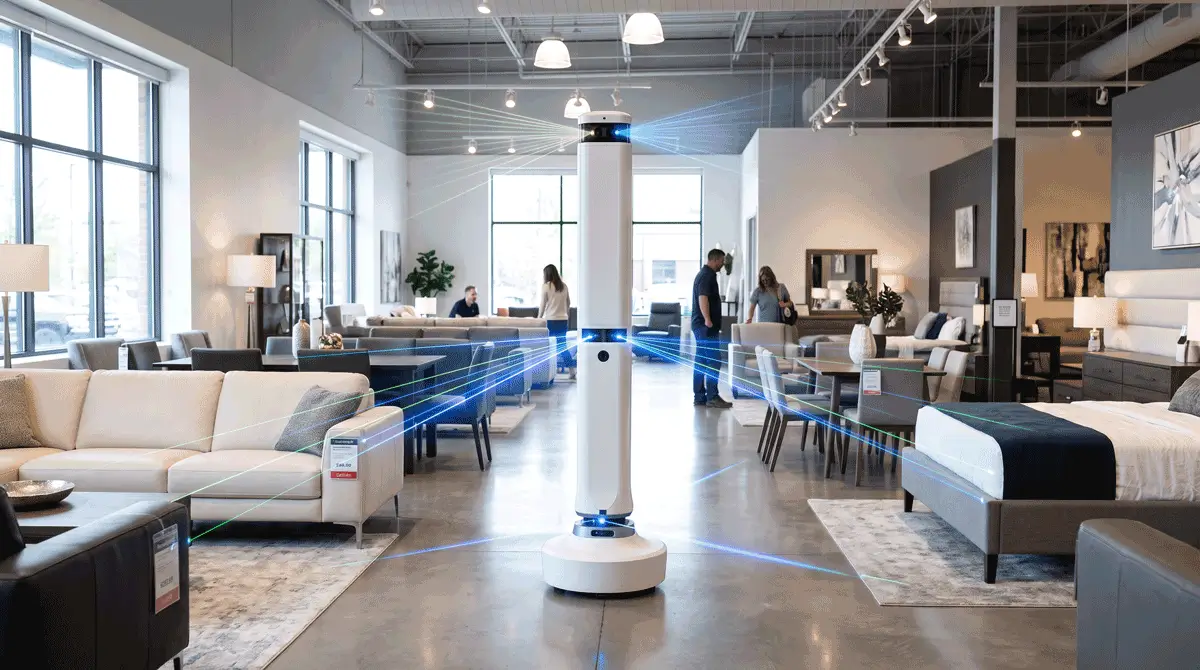
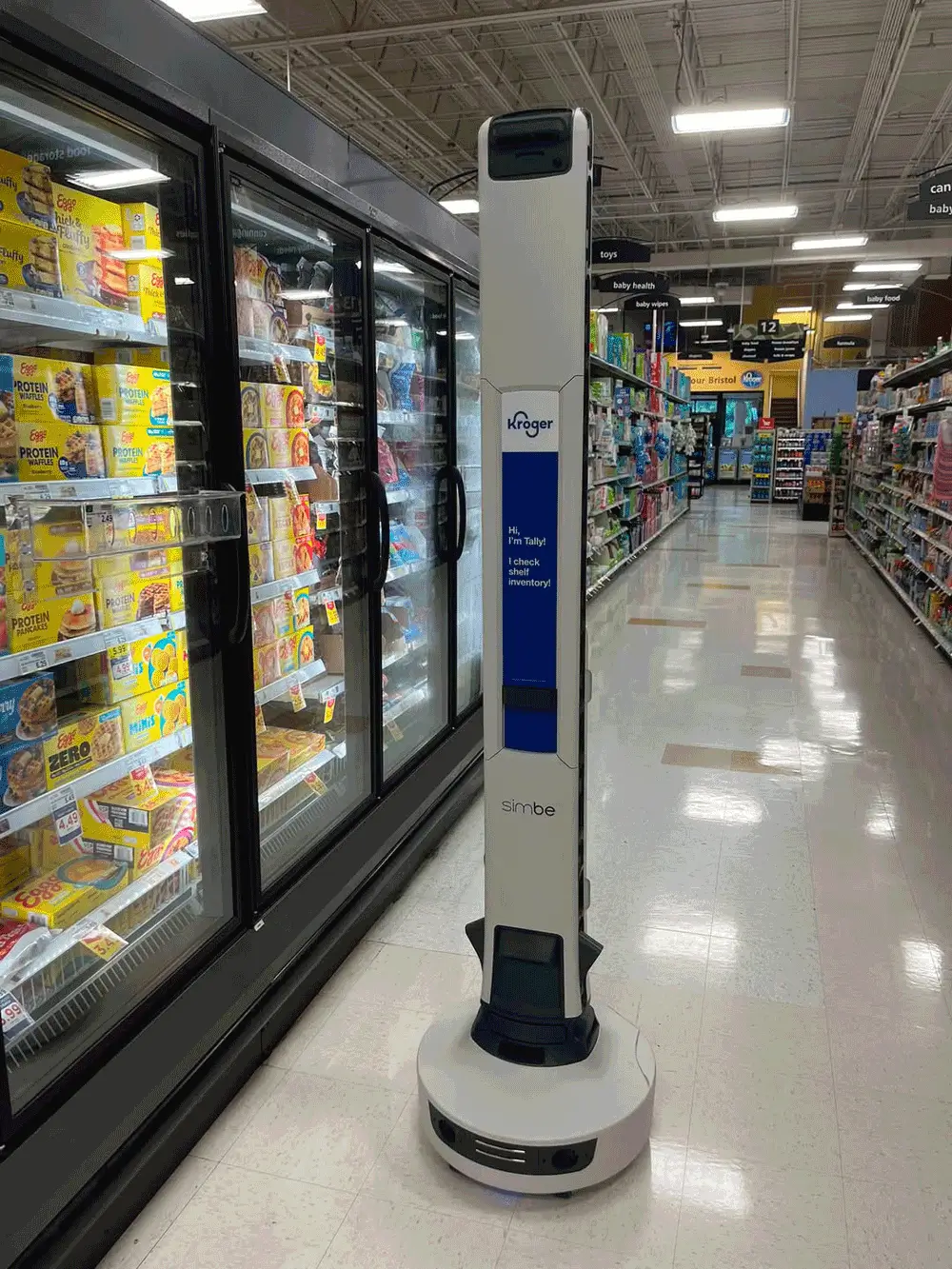 Tally is an autonomous, pillar-shaped inventory robot, gently rolling down the aisles. Its sole purpose? To scan the shelves.
It Scans: The robot checks for out-of-stock products, missing items, pricing errors, and misplaced merchandise.
It Reports: It cross-references shelf data with warehouse inventory to create highly accurate restock lists for the store workers.
It Aids Employees: Here is the kicker—the technology isn’t there to steal jobs. The grocery chain states that this technology frees up human staff from manual, tedious auditing so they can spend more time helping customers. The goal is to lighten employee workloads rather than replace them.
As I checked out and headed back to my car, it hit me. I had just experienced the complete retail loop: I ordered online, picked up at my local store, still had to go inside the store, was greeted by a human, marketed to by digital tags and screens, and shared an aisle with an AI-driven robot.
Which brings me to my question for you.
What steps are you taking, furniture retailers?
This isn’t some distant, sci-fi future. The modern consumer—your core demographic—already expects a seamless blend of digital convenience, in-store experience, and operational perfection. AI, robots, and advanced retail technologies aren’t coming; they are already here.
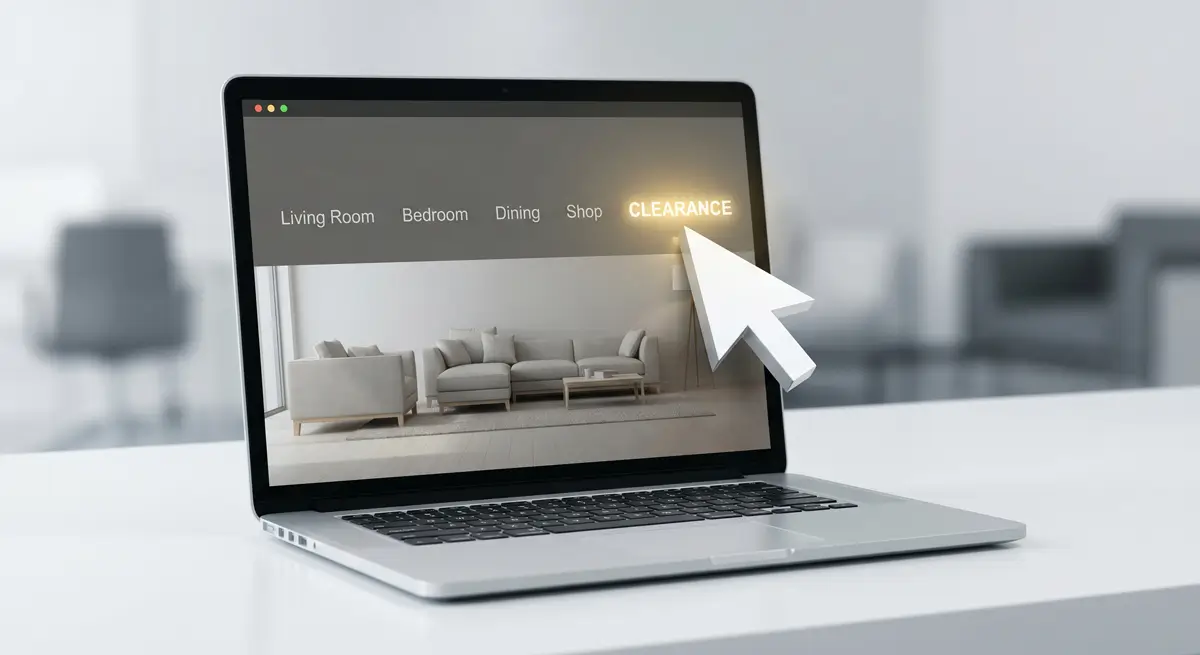
Are your physical showrooms speaking the same language as your website? Are you using technology to handle the tedious inventory and operational tasks so your sales team can get back to doing what they do best—building relationships and closing sales?
The question is no longer if technology will change retail. It already has.
The only question left is: What are you doing to prepare for it?