Large furniture catalogs become hard to browse when products, styles, and filters grow without a clear structure. Smart website architecture fixes this by organizing pages, categories, and filters so shoppers can move quickly, find what they need, and complete purchases with less effort. In Coimbatore, where retail competition is steady, this structure directly affects user experience, search rankings, and sales.
What is Website Architecture and Why Does It Matter for Furniture Stores?
Website architecture is the way pages are structured, linked, and organized on a site. For furniture retailers, it controls how easily users can browse categories, filter products, and move between pages. A strong structure reduces confusion, improves time on site, and increases conversions.
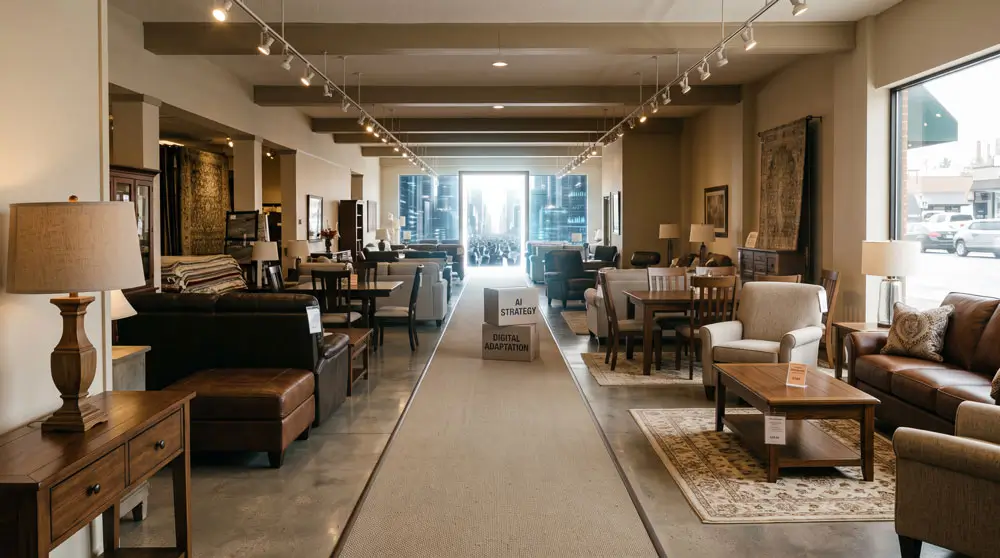
Furniture catalogs are complex by nature. A single store may carry sofas, beds, dining sets, recliners, and accessories in hundreds of variations. Without a clear structure, users feel lost. This often leads to high bounce rates and abandoned sessions.
In Coimbatore, where many retailers are expanding online, a structured website becomes a competitive advantage. It helps both users and search engines understand your catalog.
How Does Smart Navigation Reduce Drop-Off Rates?
Smart navigation guides users with clear paths, reducing the chance they leave without taking action. It uses intuitive menus, logical categories, and helpful filters to keep users engaged. When visitors find products faster, they stay longer and are more likely to buy.
Many furniture sites fail because they overload menus with too many options. Instead of helping, this creates decision fatigue. A better approach is grouping items based on user intent.
For example, a shopper may think in terms of “Living Room” rather than “3-Seater Fabric Sofa.” Structuring navigation around how users think improves engagement. This is especially useful for retailers in Coimbatore targeting both first-time buyers and repeat customers.
What Are the Key Elements of a Well-Structured Furniture Website?
A well-structured furniture website includes clear categories, layered navigation, internal links, and consistent page hierarchy. These elements work together to guide users smoothly across the site. When done right, they reduce friction and improve discoverability.
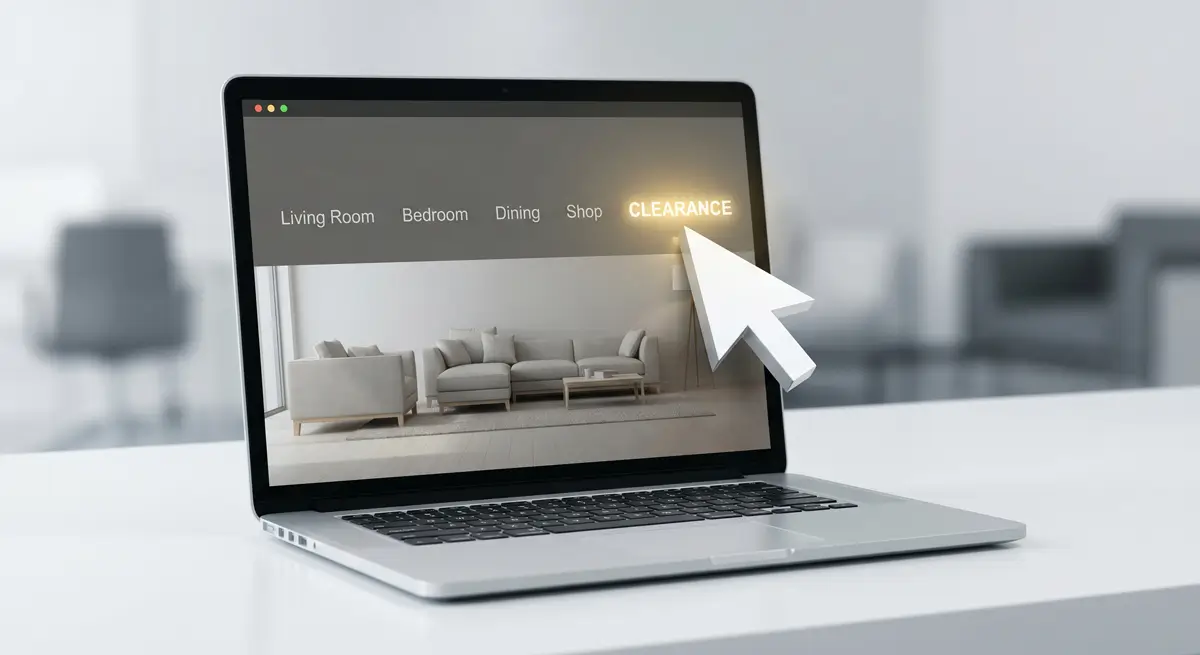
Start with a simple top-level menu. Categories like Living Room, Bedroom, Dining, and Office create a clean entry point. Under each, subcategories refine the browsing experience.
Filters play a major role. Price range, material, color, size, and brand help users narrow choices quickly. Poor filter design is one of the biggest reasons users abandon furniture websites.
Internal linking is another overlooked factor. Linking related products, collections, or guides keeps users exploring. It also helps search engines index pages more effectively.
Why Category Hierarchy Matters More Than You Think
Category hierarchy defines how products are grouped from broad to specific levels. A clear hierarchy helps users understand where they are and how to move forward. It also improves search engine visibility by creating logical page relationships.
Many retailers make the mistake of going too deep or too shallow. A deep structure hides products, while a shallow one creates clutter.
The ideal approach balances both. For example:
Living Room → Sofas → Fabric Sofas → 3-Seater
This layered approach keeps navigation clean while still offering detailed browsing options.
Retailers in Coimbatore often deal with diverse customer preferences. A well-planned hierarchy ensures that both budget shoppers and premium buyers can find what they want without confusion.
How Do Filters and Search Improve User Experience?
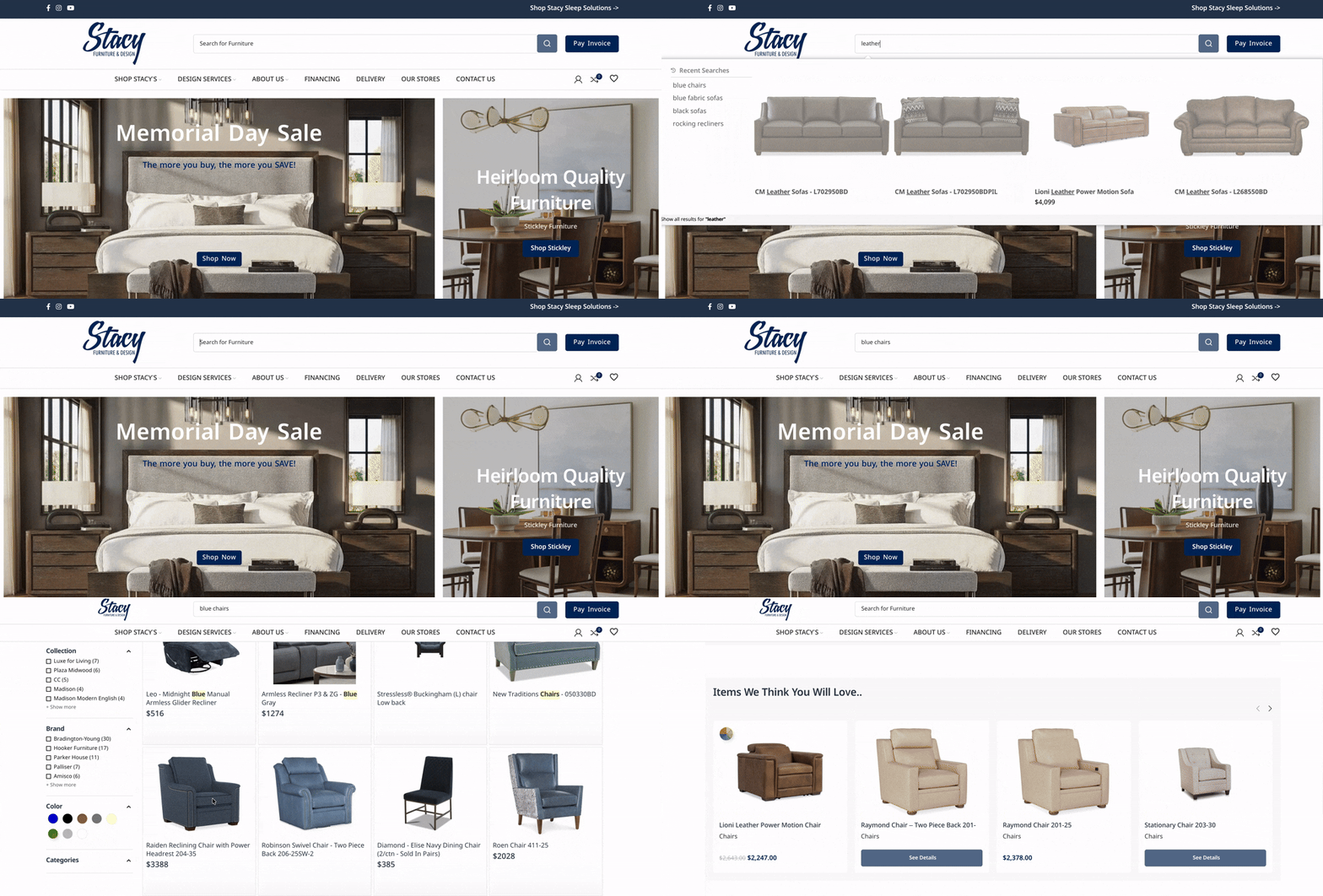
Filters and on-site search tools allow users to control their browsing experience. They help narrow down large catalogs into manageable selections. This reduces frustration and speeds up decision-making.
A strong search function should handle spelling variations, synonyms, and product attributes. For example, searching “couch” should also show sofas.
Filters should update results instantly and clearly show selected options. Poorly designed filters that reload pages slowly or reset choices often push users away.
Advanced filters can include dimensions, material type, comfort level, or even room size compatibility. These features are especially helpful for large catalogs.
In Coimbatore, where space planning matters for many homes, filters that address size and layout can make a real difference in conversions.
What Role Does Mobile Navigation Play in Furniture Websites?
Mobile navigation must be simple, fast, and easy to use with one hand. Most users browse on mobile devices, so poor mobile design can limit engagement and sales. A mobile-friendly structure ensures users can explore catalogs without friction.
Menus should collapse into clean, expandable sections. Filters should be easy to apply without covering the entire screen.
Large images are common in furniture sites, but they must load quickly. Slow mobile pages lead to drop-offs.
Sticky navigation bars, quick access to filters, and clear product cards improve usability. Retailers in Coimbatore targeting mobile-first audiences need to treat mobile navigation as a priority.
How Internal Linking Keeps Users Engaged Longer
Internal linking connects related pages within a website. It guides users to explore more products, categories, or helpful content. This increases session time and improves conversion chances.
For example, a product page for a sofa can link to matching coffee tables or living room collections. This creates a natural browsing path.
Another effective strategy is linking buying guides or style tips. These help users make informed decisions and build trust.
Internal links also help search engines understand page importance. This improves visibility for key categories and products.
Common Website Architecture Mistakes Furniture Retailers Should Avoid
Poor website structure leads to confusion, low engagement, and missed sales opportunities. Many issues come from trying to show too much at once or ignoring user behavior. Fixing these mistakes can improve performance quickly.
One common mistake is overcrowded menus. Too many categories overwhelm users. Keep menus clean and focused.
Another issue is inconsistent naming. Using different terms for similar products confuses users and search engines.
Broken links and dead-end pages also hurt navigation. Every page should offer a clear next step.
Ignoring analytics is another problem. Data shows how users move through your site. Without it, improvements become guesswork.
Retailers in Coimbatore can benefit by reviewing user behavior regularly and adjusting their structure based on real insights.
How Smart Architecture Supports SEO for Furniture Websites
Website architecture directly affects how search engines crawl and index your pages. A clear structure helps search engines understand relationships between categories and products. This improves rankings and visibility.
Clean URLs, proper internal linking, and structured categories make it easier for search engines to navigate your site.
For example, a URL like /living-room/sofas/fabric/ is easier to understand than a random string of numbers.
Structured data can also help display rich results in search listings. This increases click-through rates.
Furniture retailers in Coimbatore looking to grow online need to treat architecture as a core part of their SEO strategy.
How Can Retailers Scale Their Website as Catalogs Grow?
Scalable architecture allows websites to handle growing catalogs without losing usability. It uses flexible structures that can expand without creating confusion. Planning for growth early prevents major redesigns later.
Start with a strong category framework. Add new products under existing structures instead of creating new categories for every addition.
Use tagging systems to group products across categories. This helps users discover items without changing the main structure.
Automation tools can help manage large inventories. These tools ensure consistency across product pages.
For retailers in Coimbatore planning long-term growth, scalable architecture supports both user experience and operational efficiency.
FAQs: Website Architecture for Furniture Catalogs
How does website architecture affect furniture sales?
Website architecture affects how easily users find products. A clear structure reduces confusion and helps users complete purchases faster. Better navigation often leads to higher conversion rates.
What is the ideal number of categories for a furniture website?
There is no fixed number, but the focus should be on clarity. Most furniture sites work well with 5 to 8 main categories. Each should have logical subcategories that guide users without overwhelming them.
How often should the website structure be updated?
Website structure should be reviewed every 6 to 12 months. Updates depend on catalog growth, user behavior, and performance data. Regular improvements keep navigation effective.
Do filters impact SEO for furniture websites?
Yes, filters can impact SEO when managed correctly. Clean URLs and proper indexing help filtered pages rank. Poor handling can create duplicate content issues.
Conclusion
Smart website architecture makes large furniture catalogs easier to browse, improves user experience, and supports better search visibility. It helps retailers in Coimbatore guide customers from discovery to purchase without confusion.