In the e-commerce and retail world, the “Endless Aisle” has long been viewed as the holy grail. The logic is straightforward: if you integrate your suppliers’ entire catalogs and put all 50,000 SKUs on your website, you guarantee that the customer will find exactly what they are looking for.
But in practice, the pure Endless Aisle often achieves the exact opposite. It induces severe decision paralysis.
Imagine a customer searching your site for a “grey sofa.” Your website returns 450 results. Half of them are backordered for 12 weeks, and another quarter are out of their price range. Modern consumers don’t have the patience to scroll through pages of irrelevant or unavailable products. They get overwhelmed, they bounce, and your conversion rate takes a hit.
So, is it time to kill the Endless Aisle and slash your digital inventory?
Not at all. In fact, doing so could destroy your digital visibility. The secret isn’t shrinking your catalog—it’s finding the happy medium between deep digital inventory and highly curated user experiences.
Here is why you still need a massive catalog, and more importantly, how to merchandise it so it actually converts.
Why You Can’t Abandon the Endless Aisle: SEO, AEO, and GEO
Before you start deleting SKUs to simplify your site, you have to look at how modern consumers—and the algorithms that serve them—find products. A massive, well-structured catalog is an absolute powerhouse for search visibility across three critical frontiers:
1. SEO (Search Engine Optimization)
Traditional search engines love content. An endless aisle strategy means you have thousands of unique product pages, each acting as a net to catch long-tail search traffic. A customer might not search for a generic “sofa,” but they will search for a “mid-century modern grey velvet 84-inch sofa.” Your expansive catalog ensures you have a page that perfectly matches that highly specific, high-intent query.
2. AEO (Answer Engine Optimization)
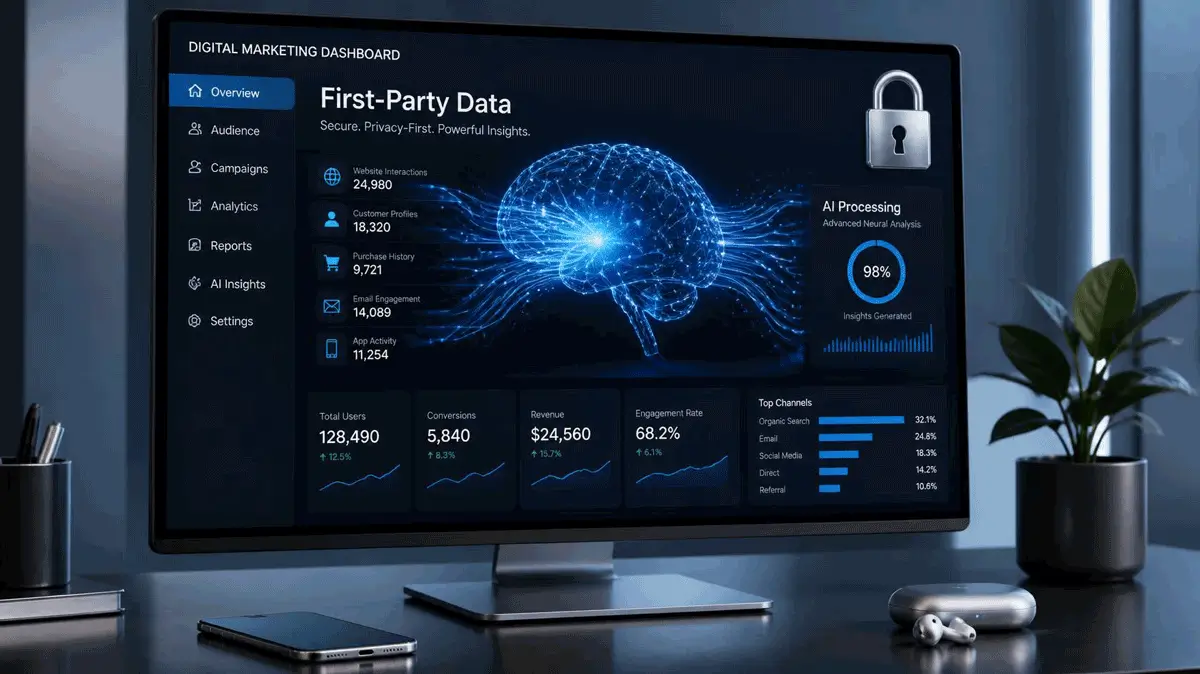
As voice search (Alexa, Siri, Google Assistant) continues to grow, search behavior has shifted from keywords to questions. Consumers ask, “Where can I buy a highly-rated grey sectional near me under $1,500?” A deep catalog, backed by rich structured data and schema markup, turns your website into a primary data source for these Answer Engines, allowing them to pull your specific products to answer consumer questions directly.
3. GEO (Generative Engine Optimization)
This is the new frontier. Search engines are evolving into AI-driven generative engines (like Google’s AI Overviews, Perplexity, and ChatGPT). These AI models don’t just provide links; they synthesize answers by reading across the web. To get recommended by an AI, your brand needs a massive footprint of detailed product specifications, variations, and availability data. A deep, data-rich catalog feeds these Large Language Models (LLMs) exactly what they need to confidently recommend your products in their generated responses.
The Happy Medium: Intelligent Curation
You need the Endless Aisle to win at SEO, AEO, and GEO. But you need curation to win the conversion.
Your job as a retailer isn’t just to show the customer everything; your job is to guide them to a confident decision. You can host 50,000 SKUs, but you must use smart, algorithmic merchandising to control how those SKUs are presented.
Here is how to strike the perfect balance:
1. Prioritize In-Stock and Ready-to-Ship
Don’t let backordered items clog up the top of your search results. Adjust your site’s search and category algorithms to push in-stock, high-margin, and fast-shipping items to the top of the page. The 450th grey sofa can still exist on your site to catch long-tail SEO traffic, but it shouldn’t be the first thing a browsing customer sees.
2. Bridge the Digital and Physical
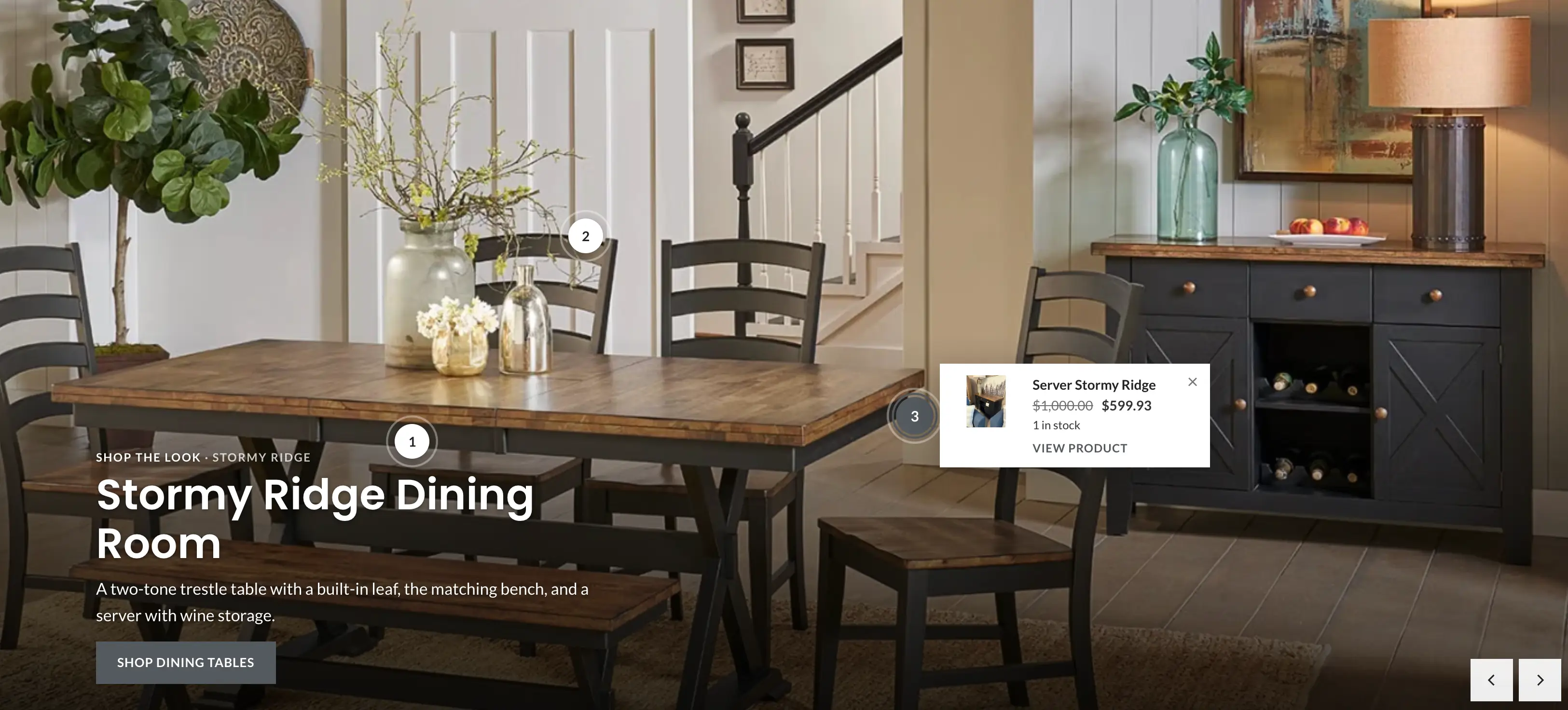
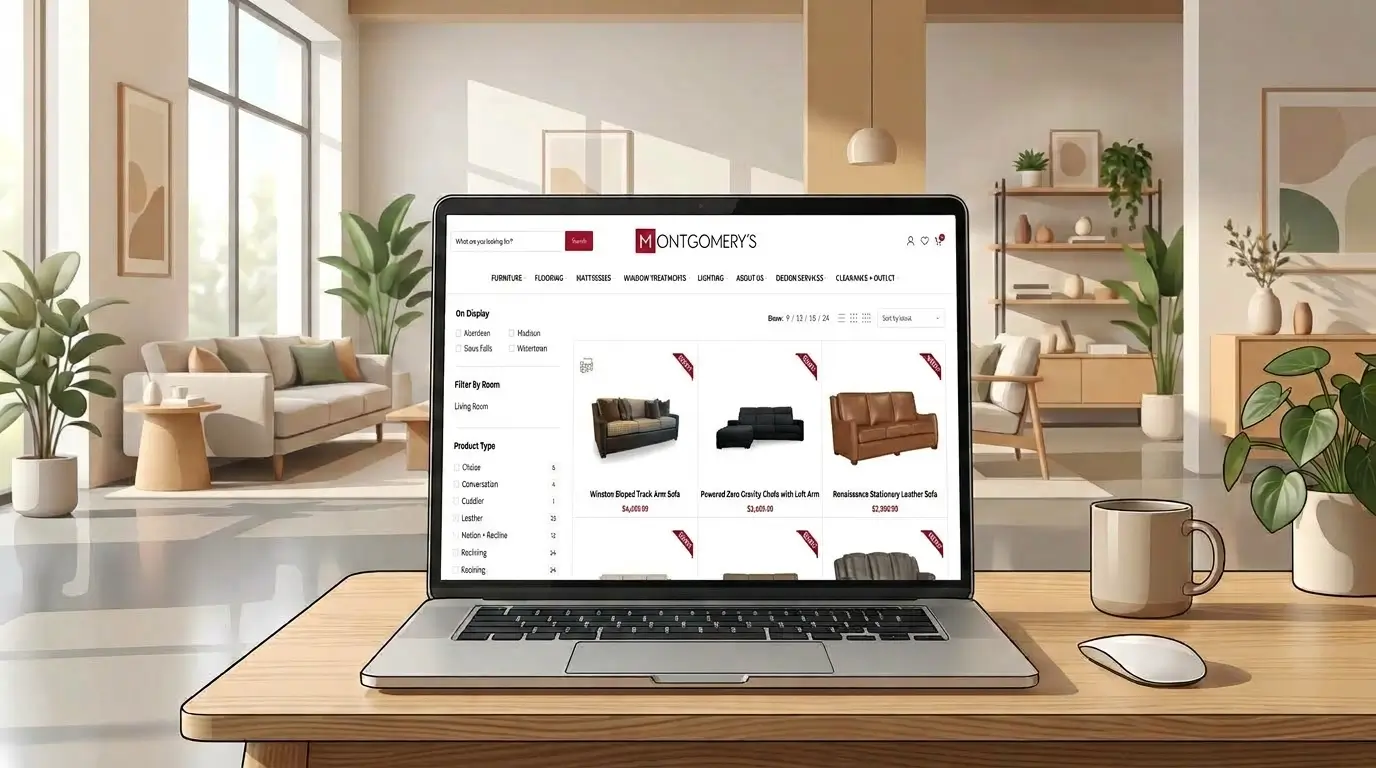
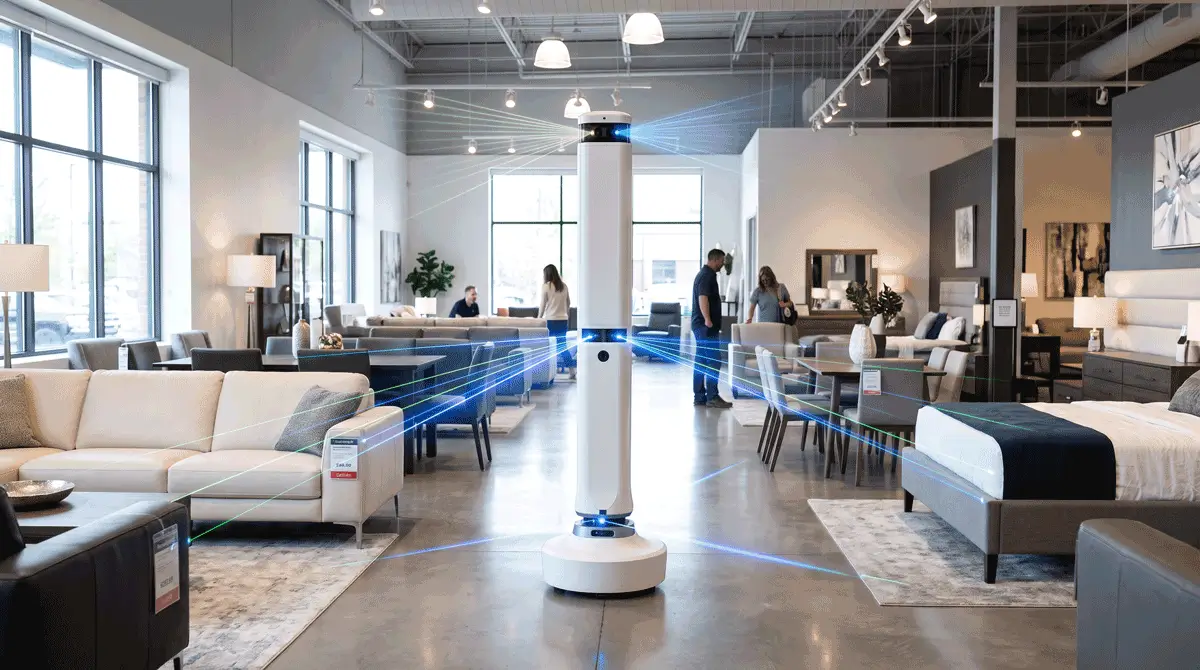
If you have brick-and-mortar locations, use your digital catalog to drive foot traffic. Implement clear badging and filtering for items that are “On Display in Showroom.” If a customer is overwhelmed by choices online, knowing they can walk into a local store to sit on three specific models gives them a clear next step in the buying journey.
3. Implement Guided Selling and Dynamic Filtering
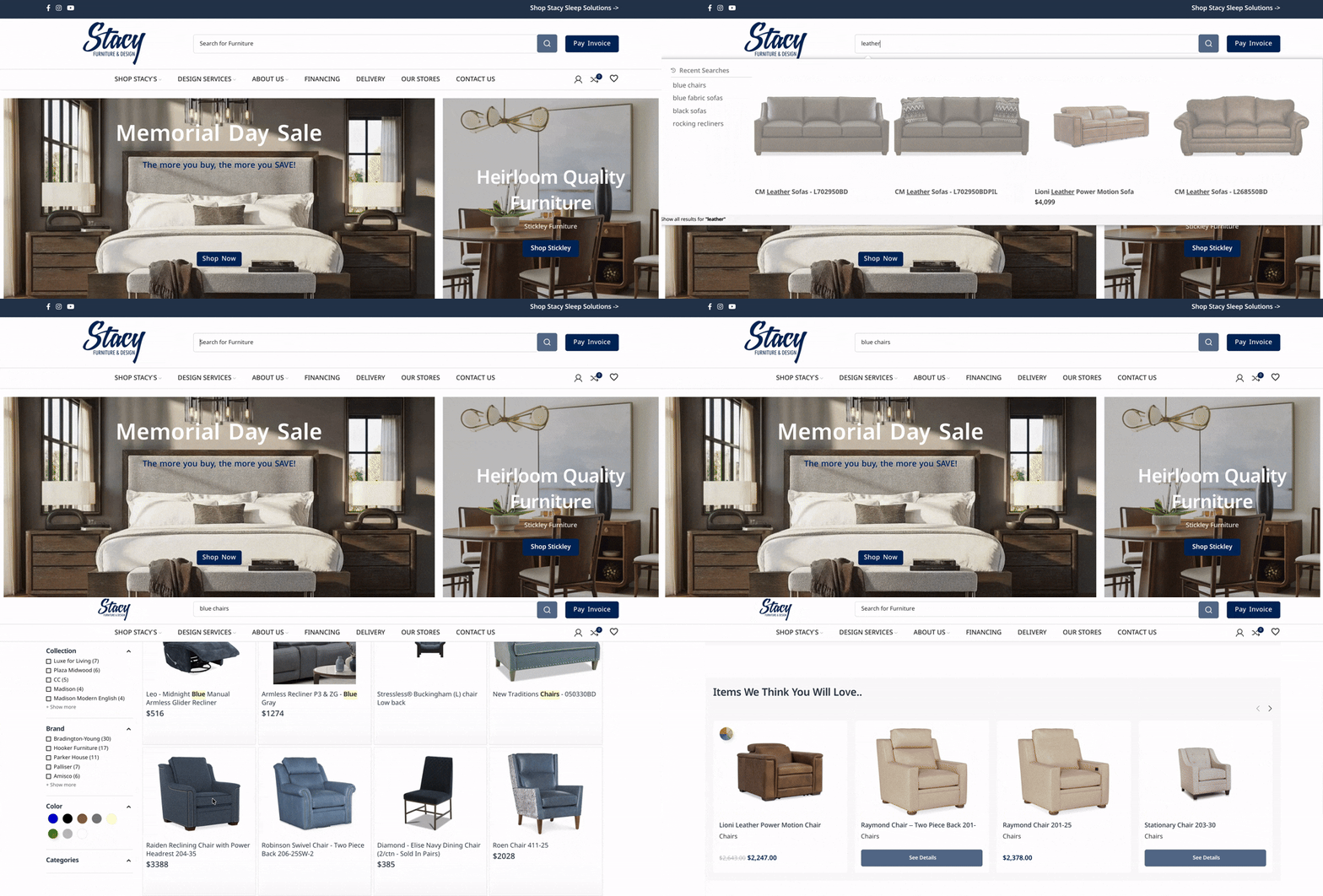
Filter the noise for the customer. Instead of presenting a wall of products, use interactive quizzes or highly visible dynamic filters (e.g., “Need it in 3 days?”, “Pet-friendly fabrics,” “Apartment sizing”). Help them narrow those 450 choices down to the 3 that actually fit their lifestyle and timeline.
The Takeaway
Giving your customers too many unfiltered choices will kill your conversion rate, but an invisible catalog will kill your traffic.
The most successful retailers treat their website like an iceberg. The massive, Endless Aisle lives below the surface—powering SEO, AEO, and GEO, catching millions of specific search queries. But above the surface? The customer experiences a beautifully curated, personalized, and highly merchandised storefront that guides them effortlessly to the checkout counter.
Ready to optimize your catalog for both search engines and human conversions? At RA Marketing, we help retailers bridge the gap between traffic-driving digital strategies and high-converting user experiences. Contact us today to learn how we can help you build the perfect “happy medium” for your e-commerce platform.